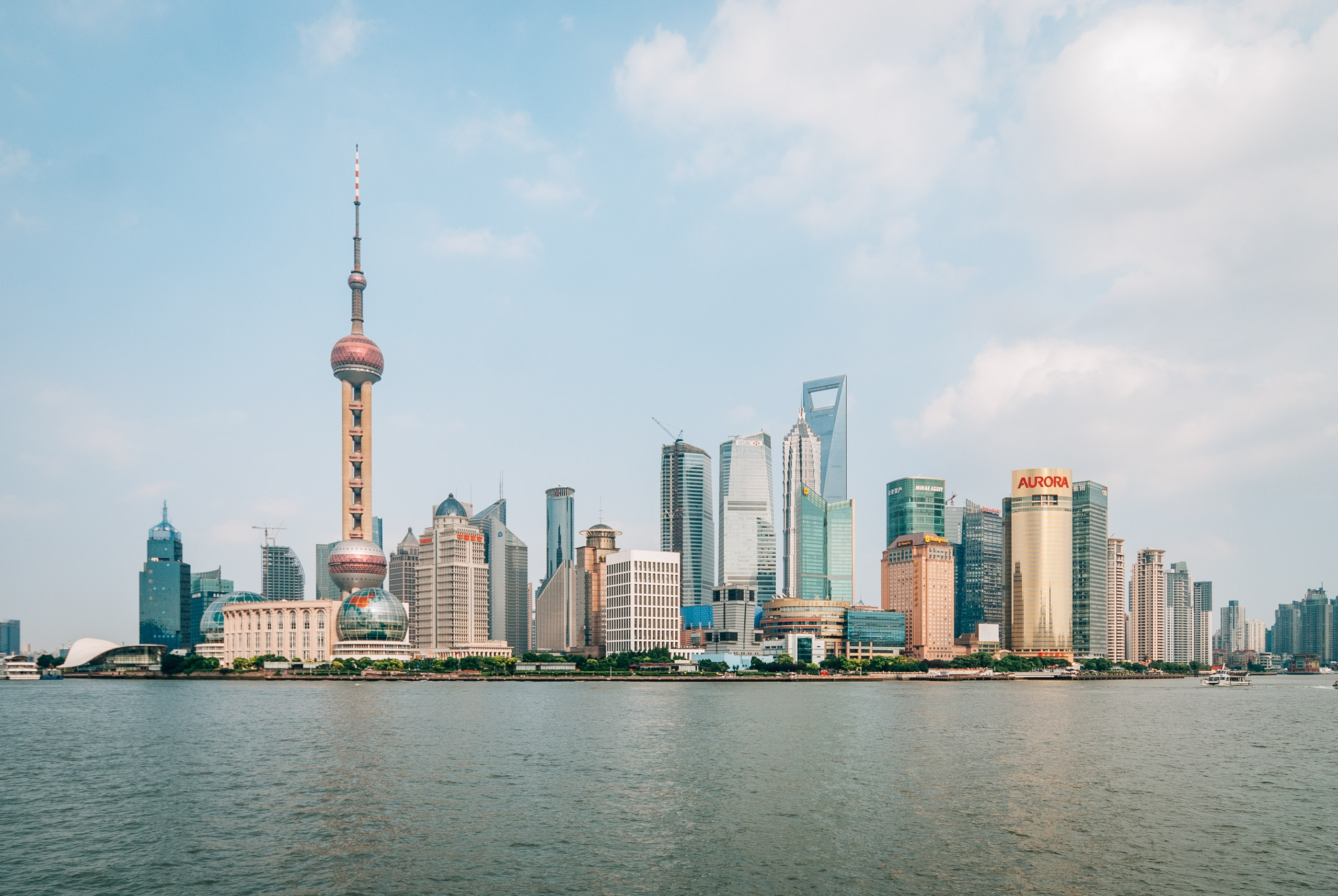
Greetings from the Peoples' Republic of China!
We're about three days into a three week trip to China and Japan, stopping in Beijing, Shanghai, Hong Kong and Tokyo. Our first three days were spent visiting the capital city of Beijing. Most of the guide books will tell you that three days is enough, and I would mostly agree. You can see the more interesting sights around the city in a few days, and you'll want to add another day for a trip to the Great Wall.
We left New York on Thursday afternoon on a non-stop from Newark to Beijing. (Suki is staying with Jessica's parents in Rockland County, and so far seems to be having a great time). From New York the flight to Beijing is 13 hours. The time change is exactly 12 hours so the good news is you don't have to change your watch, and that's about the extent of the good news so far as jet lag is concerned. The flight was reasonably comfortable and we arrived in pretty good shape to hit the ground running around 2PM local time.
A guy from our hotel met us at the plane and guided us through customs and immigration. He didn't say much, only two things: "Your wife is very pretty" and "Is that the iPhone 4?" The drive into our hotel took about an hour with traffic and we were checked in and showered by 3PM that day. Our first drama on this trip was when Jessica realized she left her iPhone in the car. We phoned the concierge who promptly searched the hotel car, and I'm happy to report that iPhone and Jessica were happily and tearfully reunited.
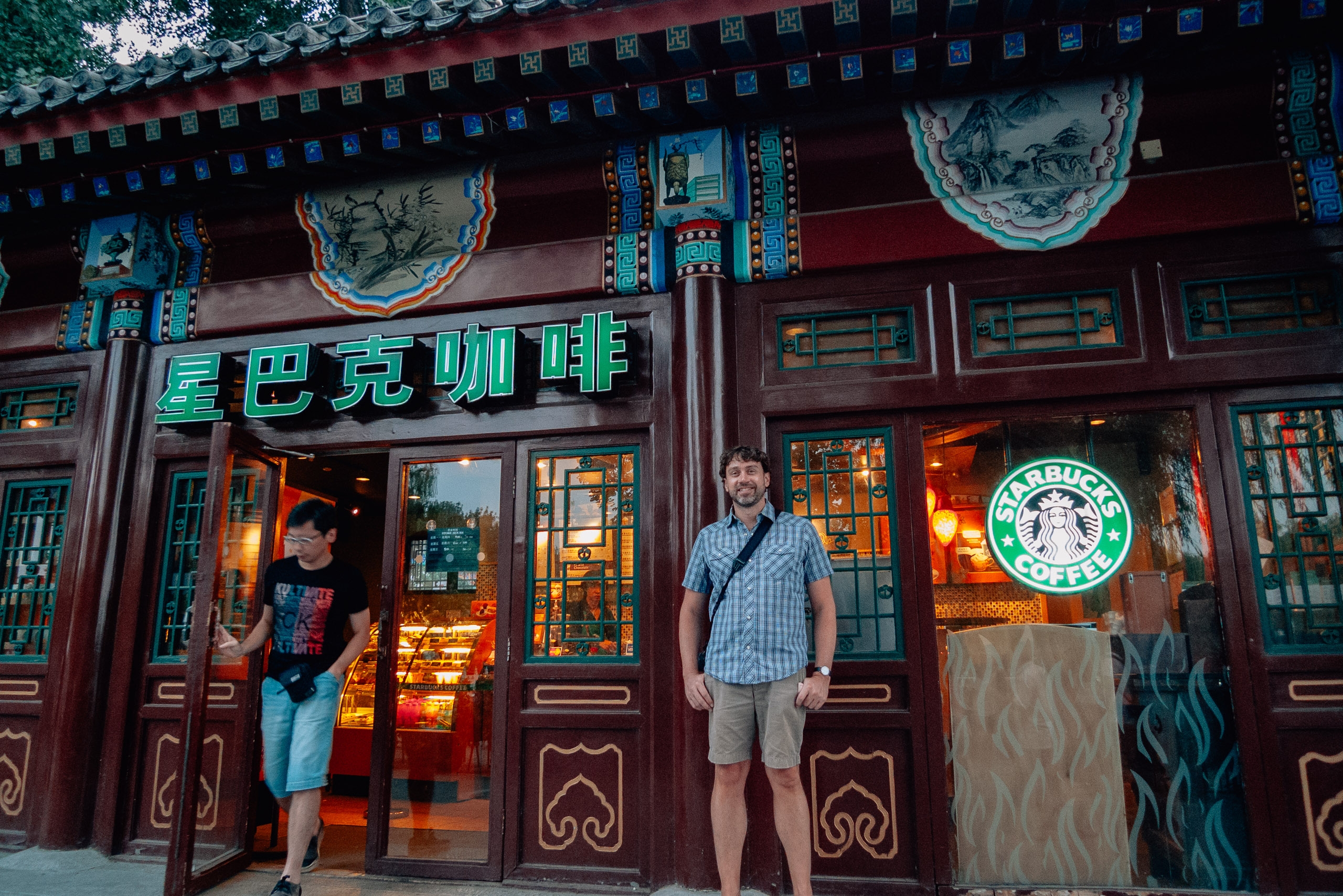
Our hotel was located on Financial Street, which is a somewhat newly developed...financial street lined with banks, trading firms and other familiar names of the financial trade. There was a new and very upscale mall attached to our hotel, and a ring of restaurants with familiar US chains including KFC, TGI Fridays, Starbucks, Pizza Hut and what I think may have been a knock-off Dunkin Donuts.
From our hotel room you could see east toward Tiananmen Square and the Forbidden City, and further to a line of sky scrapers including the unusual-looking CCTV tower. The view was seemingly nice, but with the constant brownish haze of Beijing, it was hard to discern much from only a mile or so away.
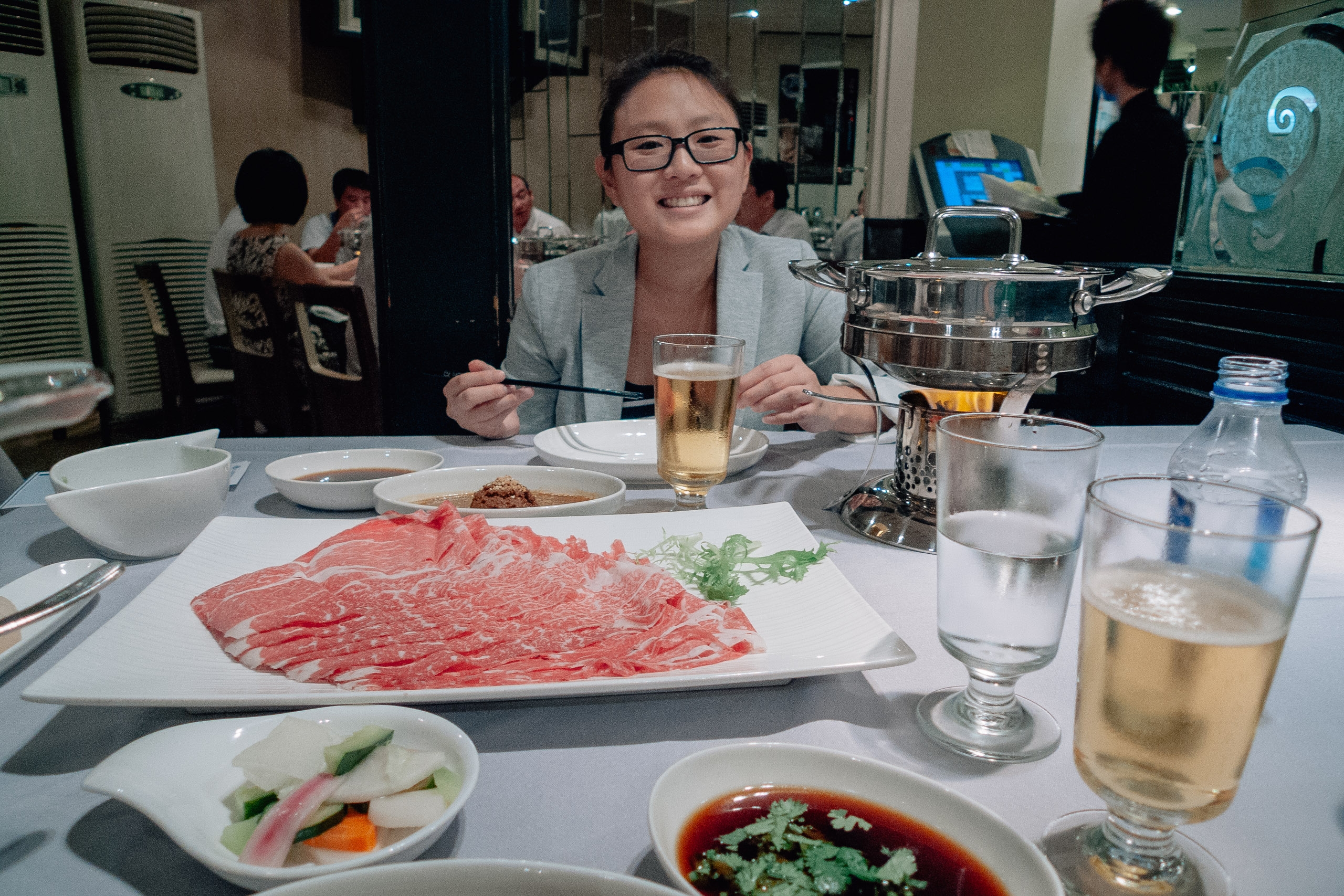
The 13 hour flight, the jet lag and the lack of sleep the night prior was quickly dampening our expectations for what we had hoped to do that first day. We settled on poking around the area by the hotel, and finding a well-regarded and highly recommended hot pot restaurant called Ding Ding Xiang. They have several locations around Beijing, and our hotel found us one nearby. We hopped into a taxi and headed out for dinner.
Hot pot is very similar to the Japanese shabu shabu, but tends to have a spicier and more flavorful soup broth and DIY dipping sauces. The meat and vegetables are served raw and are cooked table side (by the diners) in the soup. We had a "American style ribeye" beef and what looked to be a pound of cabbage, spinach, tofu skin, mushrooms and rice noodles. Dinner was excellent and inexpensive.
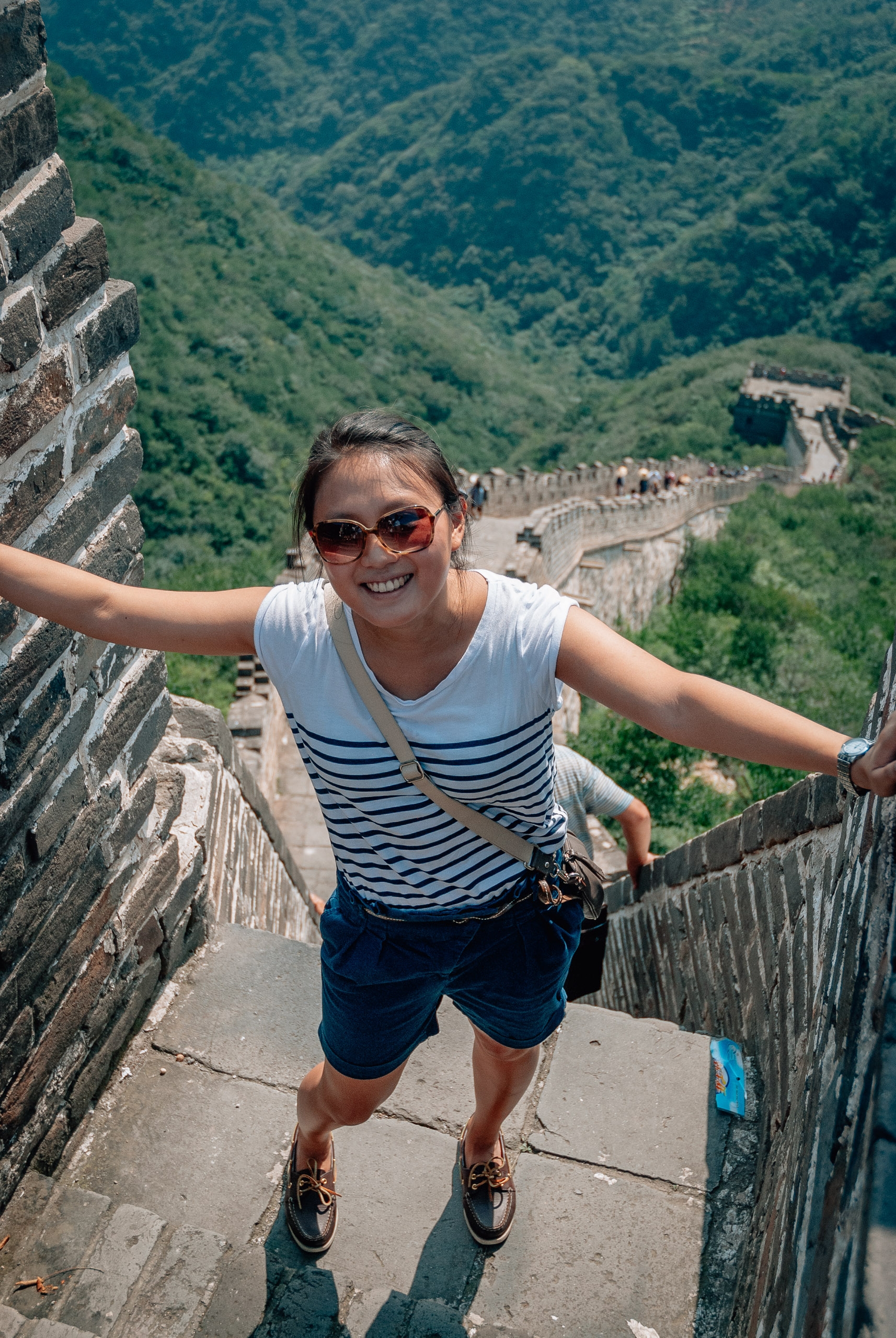
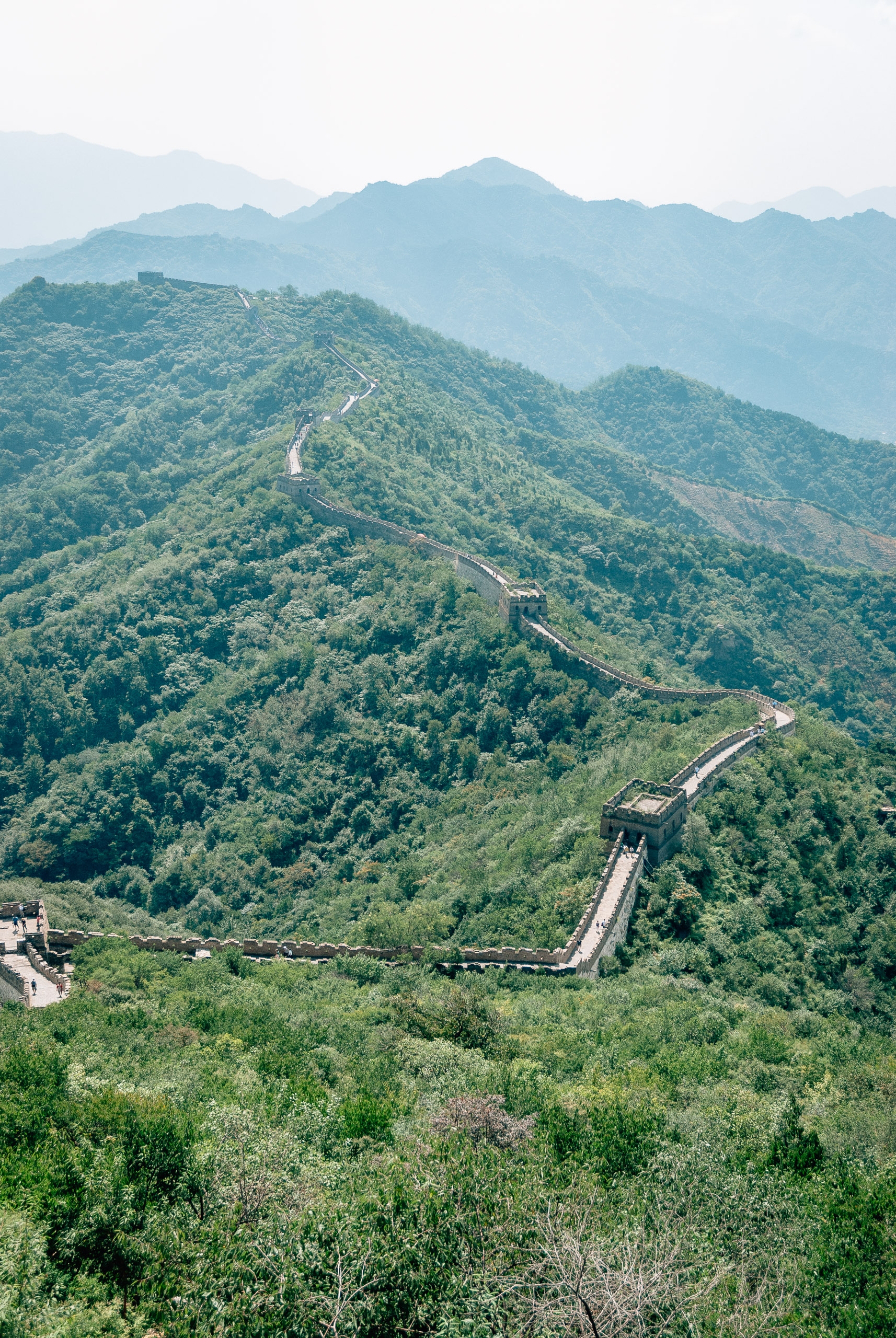
The next morning we had arranged a tour of the nearby Great Wall, a true highlight of the trip thus far. We arranged to have a driver and a guide take us to the Mu Tian Yu section of the Wall, a bit further out of town but far less crowded.
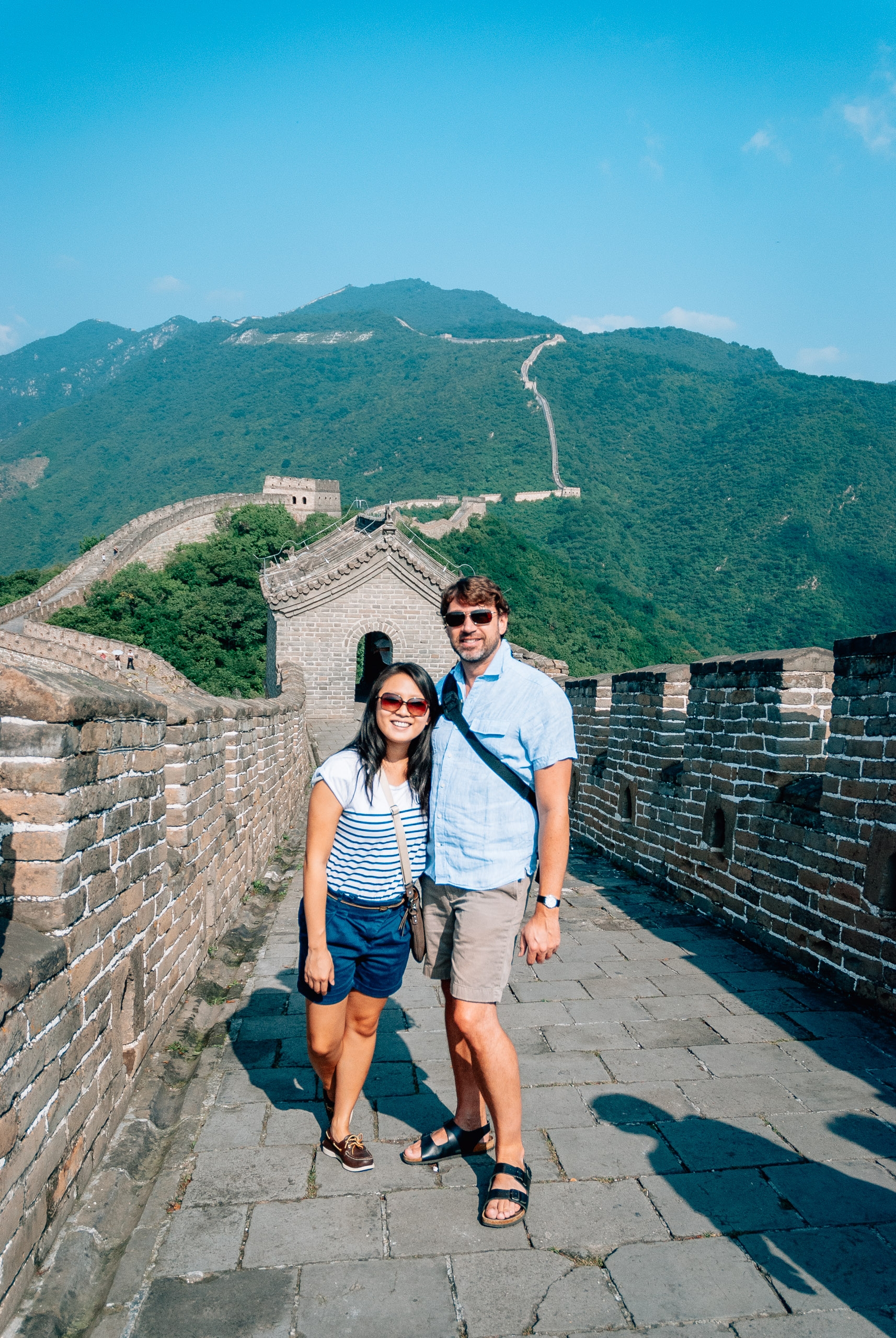
There are about 1,600 miles of known Great Wall, comprised of various sections constructed over hundreds of years. The earliest walls were earthen berms where very little remains. Today much of the wall has deteriorated as would be expected over time, but the government has embarked on an ambitious restoration program since the 1980s to bring sections of the wall back to their former glory.
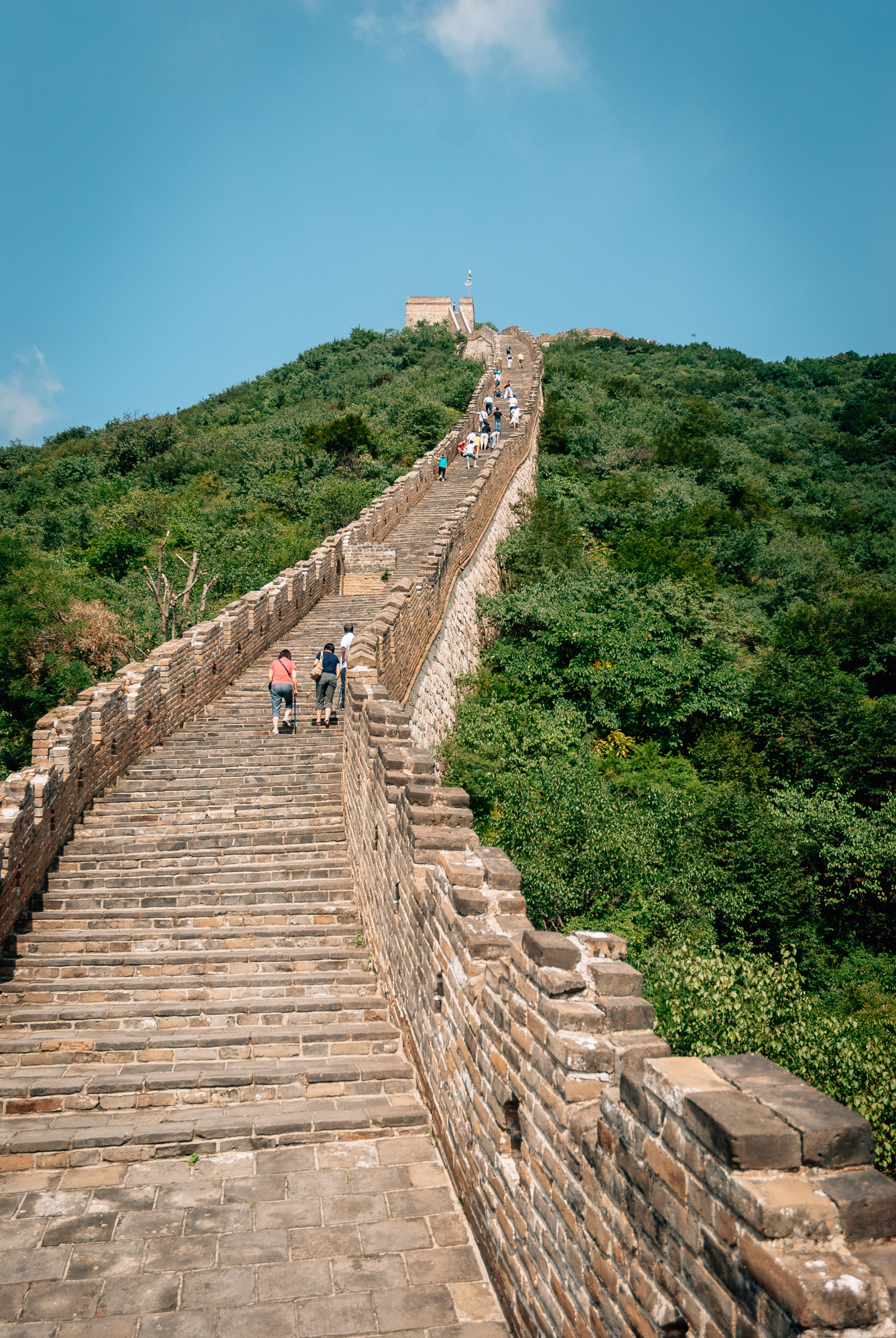
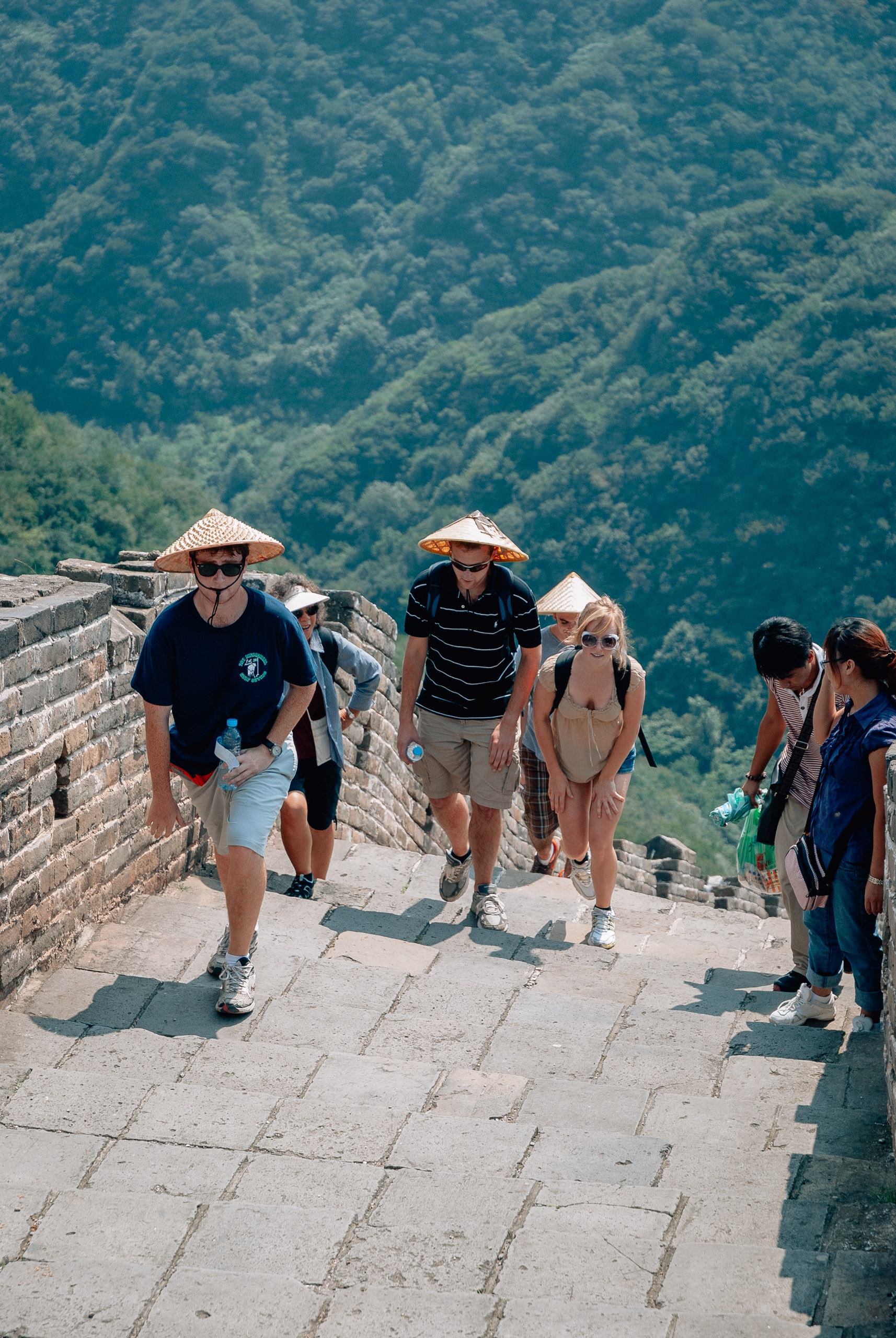
The most popular of these restored sections is Ba Da Ling. It is closest to the city of Beijing (about 45 minutes), very accessible and the center of a vibrant local tourist trade. The one we visited was Mu Tian Yu, which is about 90 minutes from Beijing and incredibly steep and somewhat treacherous. Mu Tian Yu is far less crowded, but requires a hearty spirit and a pretty sturdy pair of legs. We definitely had spirit.
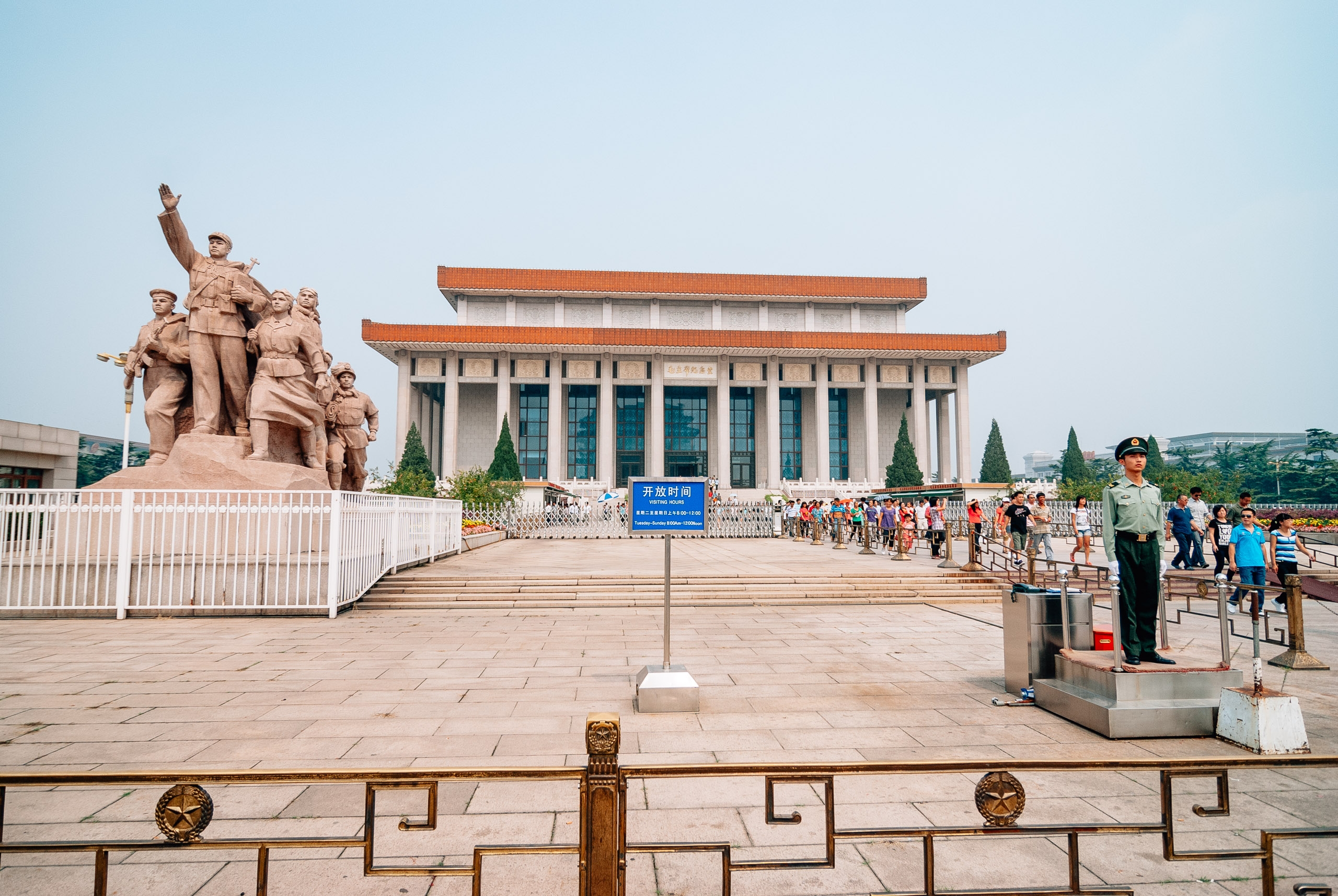
Having visited the tomb of Ho Chi Minh in Hanoi, we decided to further our collection of deceased Marxist revolutionaries and visited the Mao Mausoleum. A highly orderly and heavily secured affair, we had to check all our belongings at a bag check, walk through two lines of security including x-rays, metal detectors and a frisky pat-down and stand in a line of thousands. However the lines moved swiftly, and again, very orderly. On your way in you, you could purchase flowers to leave at a statue of Chairman Mao (these flowers would later be taken back outside and re-sold to future visitors) or simply pay your respects. You could leave the line to bow, or place flowers or to wave your Chinese flag, but otherwise you kept moving. After the hall of the statue, you filed through a darkened room containing the glass coffin enclosing the embalmed remains of Mao Zedong.
For us, this was interesting as dispassionate tourists and visitors to China, but for many this was a pilgrimage and an emotional affair. People would stream out of the mausoleum waving their flags with their zeal re-energized.
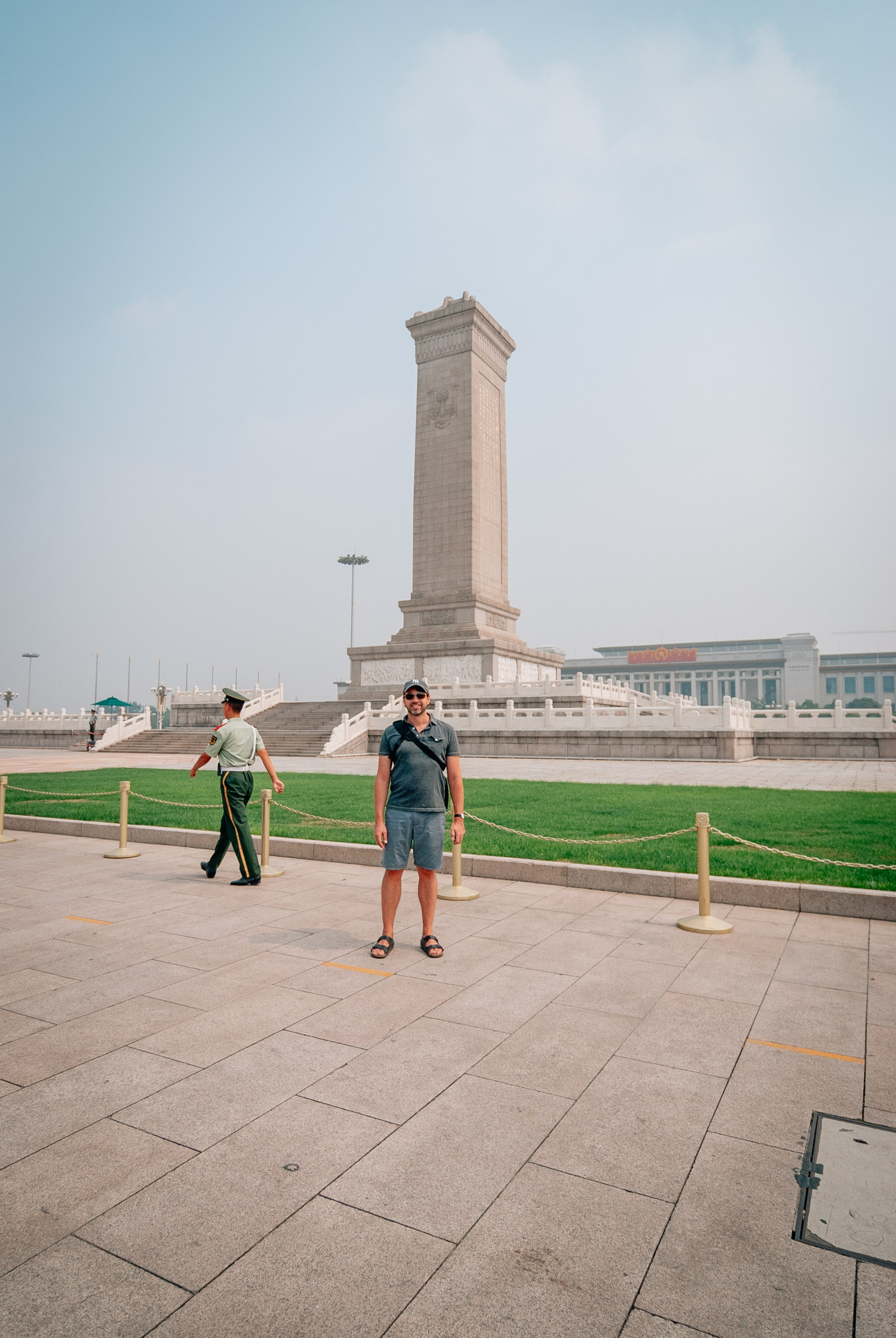
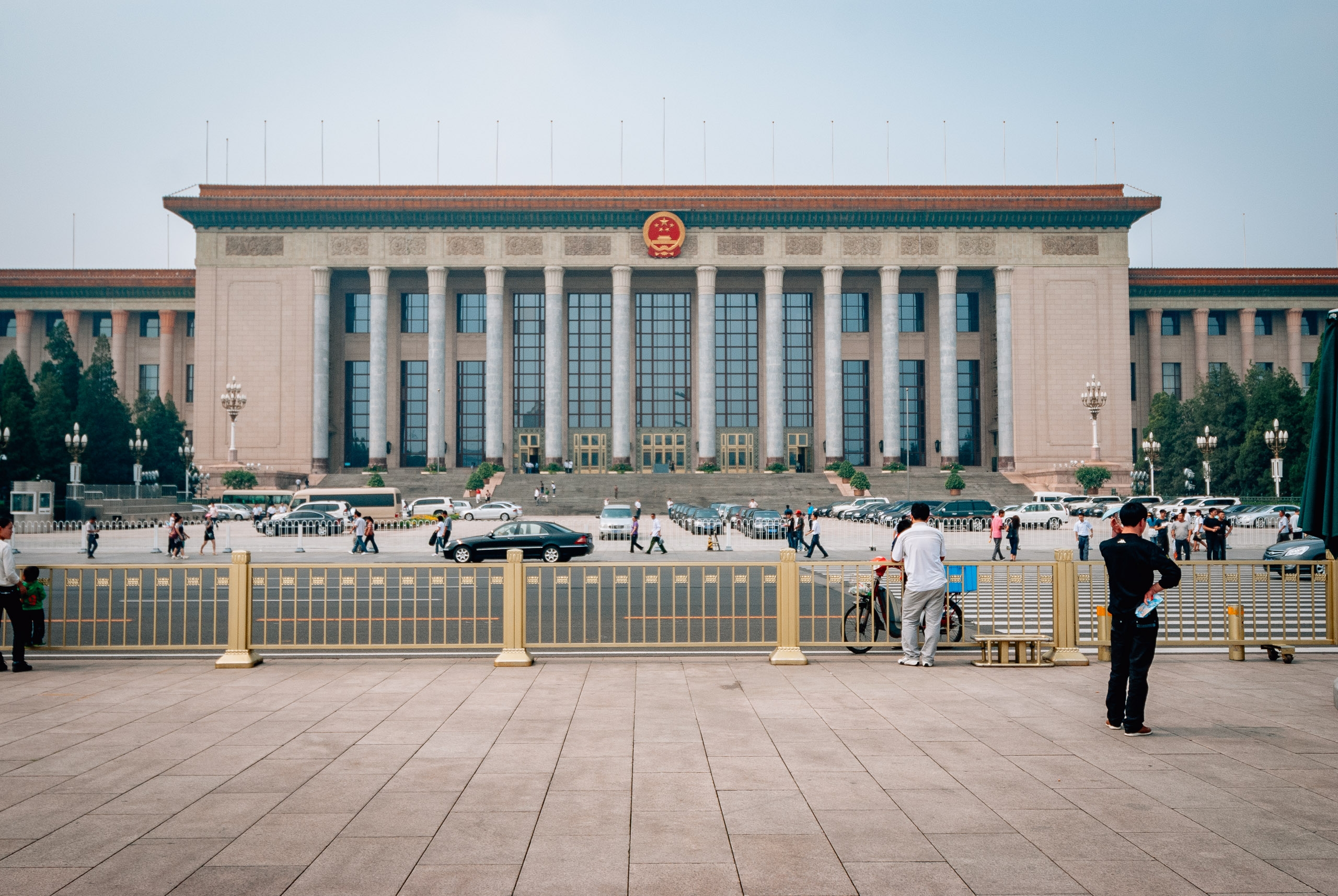
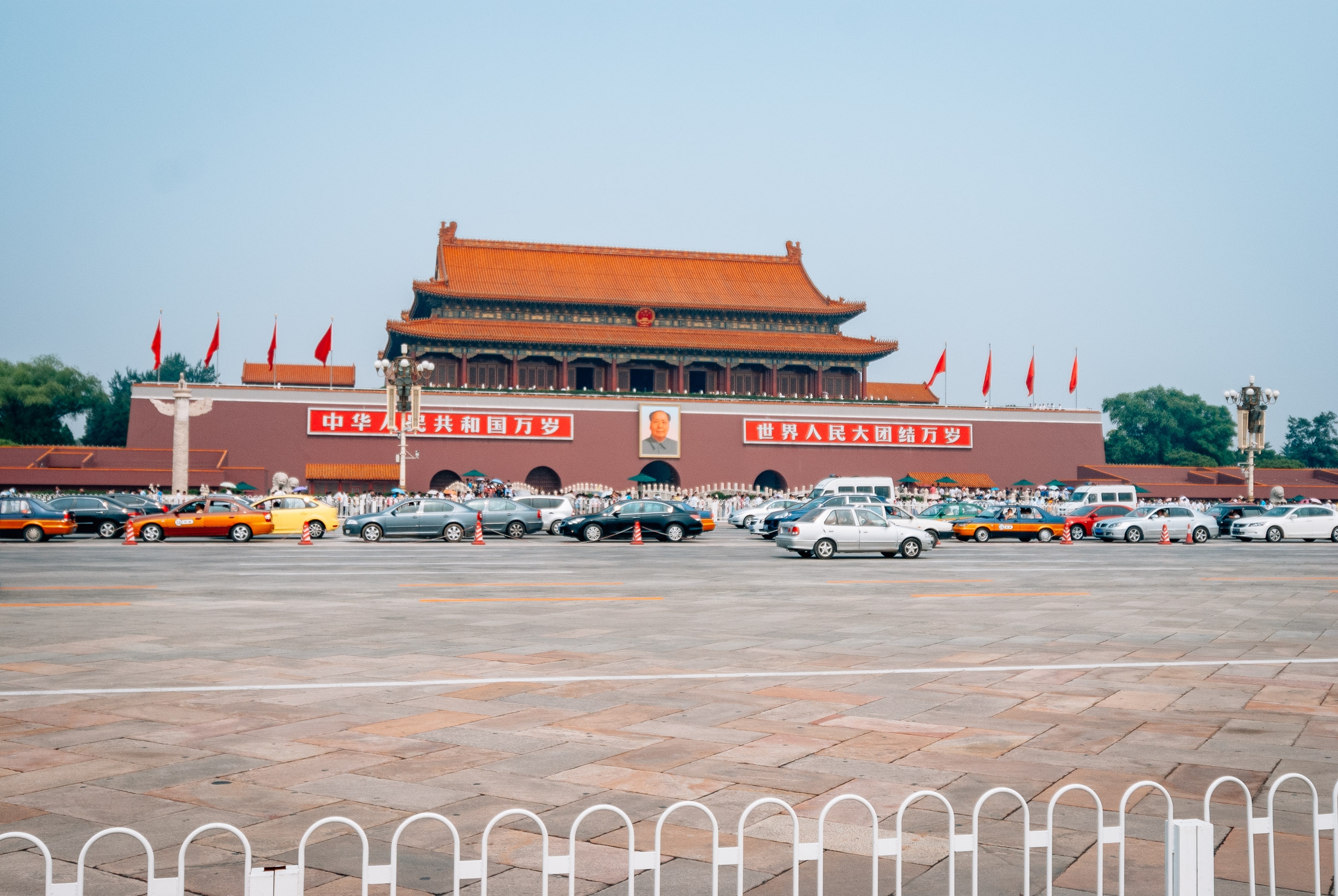
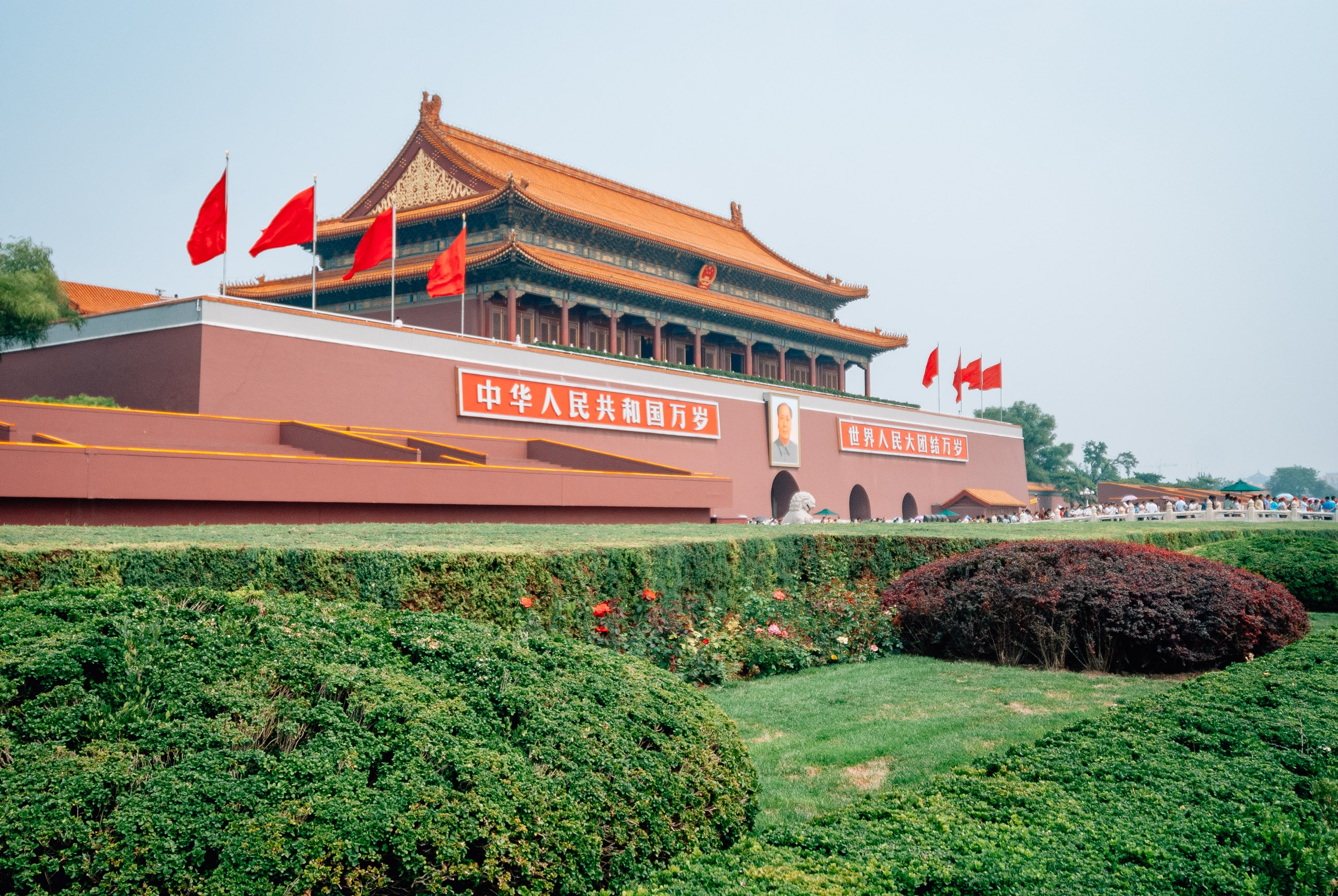
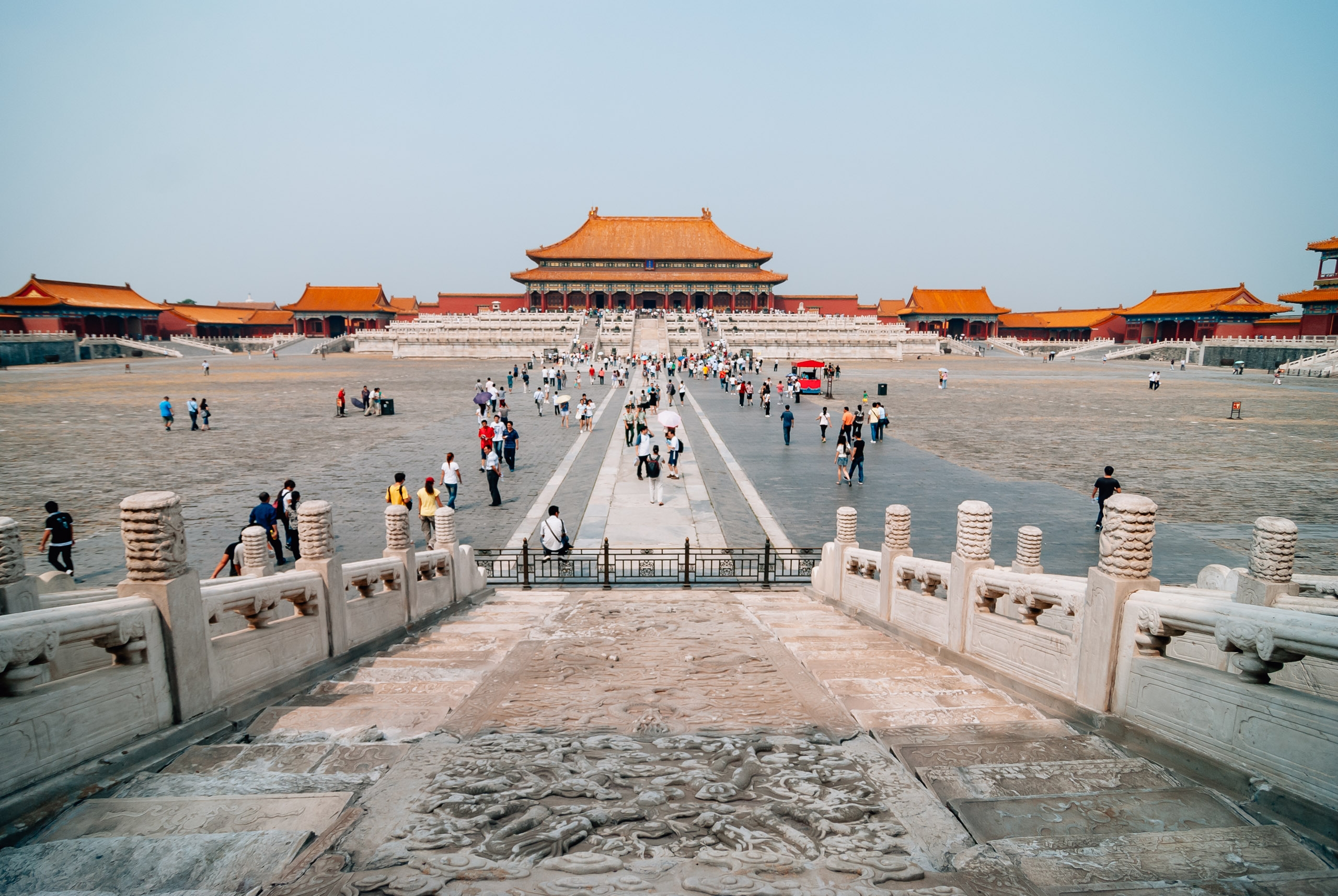
The Forbidden City is symmetrical in design, with the center axis of the site defining the center axis of modern-day Beijing. The layout of Beijing is essentially a large square, with concentric "ring roads" that circle the city and connect the neighborhoods. Although there are 14 million people in the city, its not as dense as other Asian capitals such as Tokyo, Bangkok or Singapore. Some of the roads are 12 lanes across, and the buildings are enormous but not necessarily tall. The city does go on forever in all directions, and the scale of everything, from the squares to the parks to the airport terminals, is mind-blowing in scale.
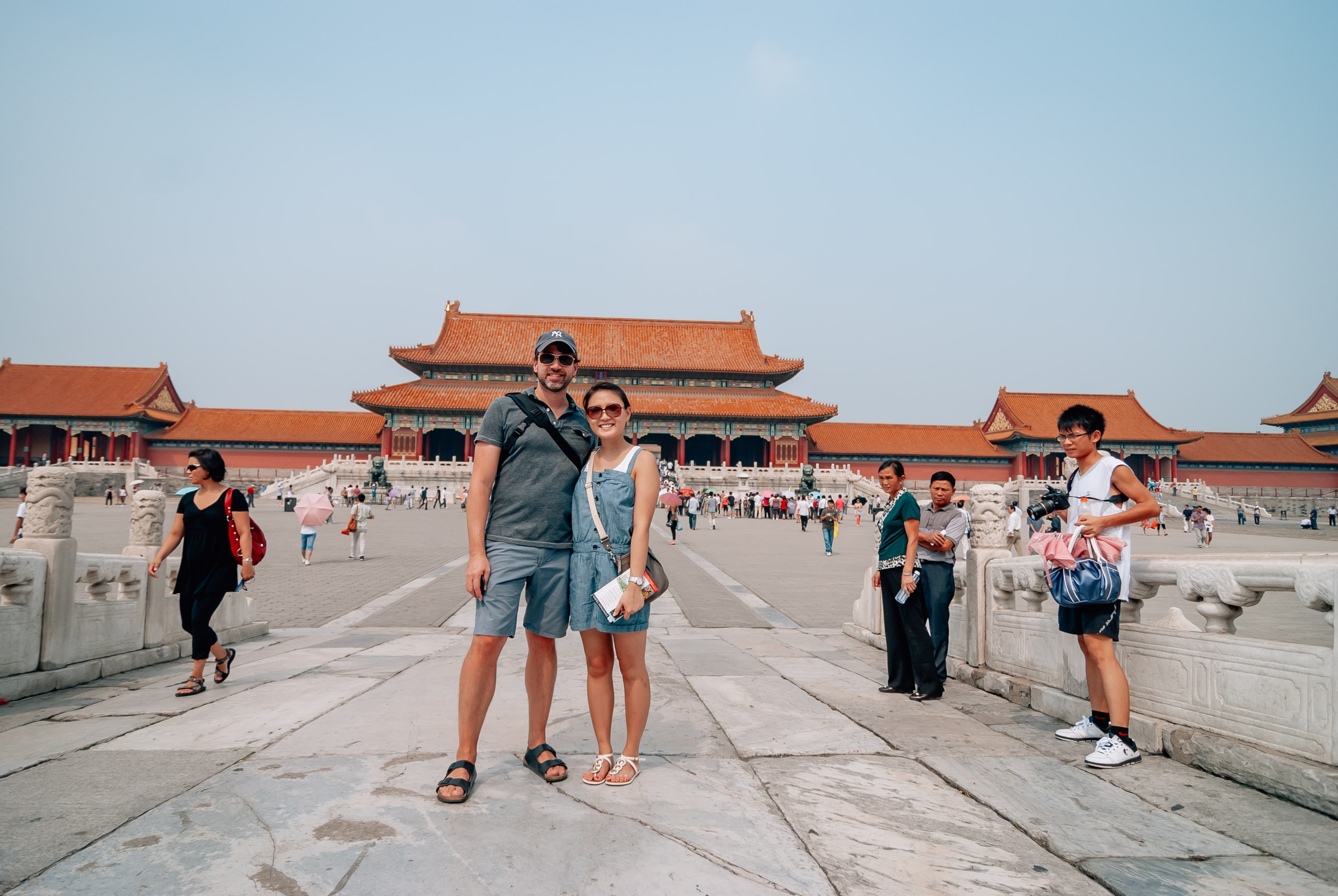
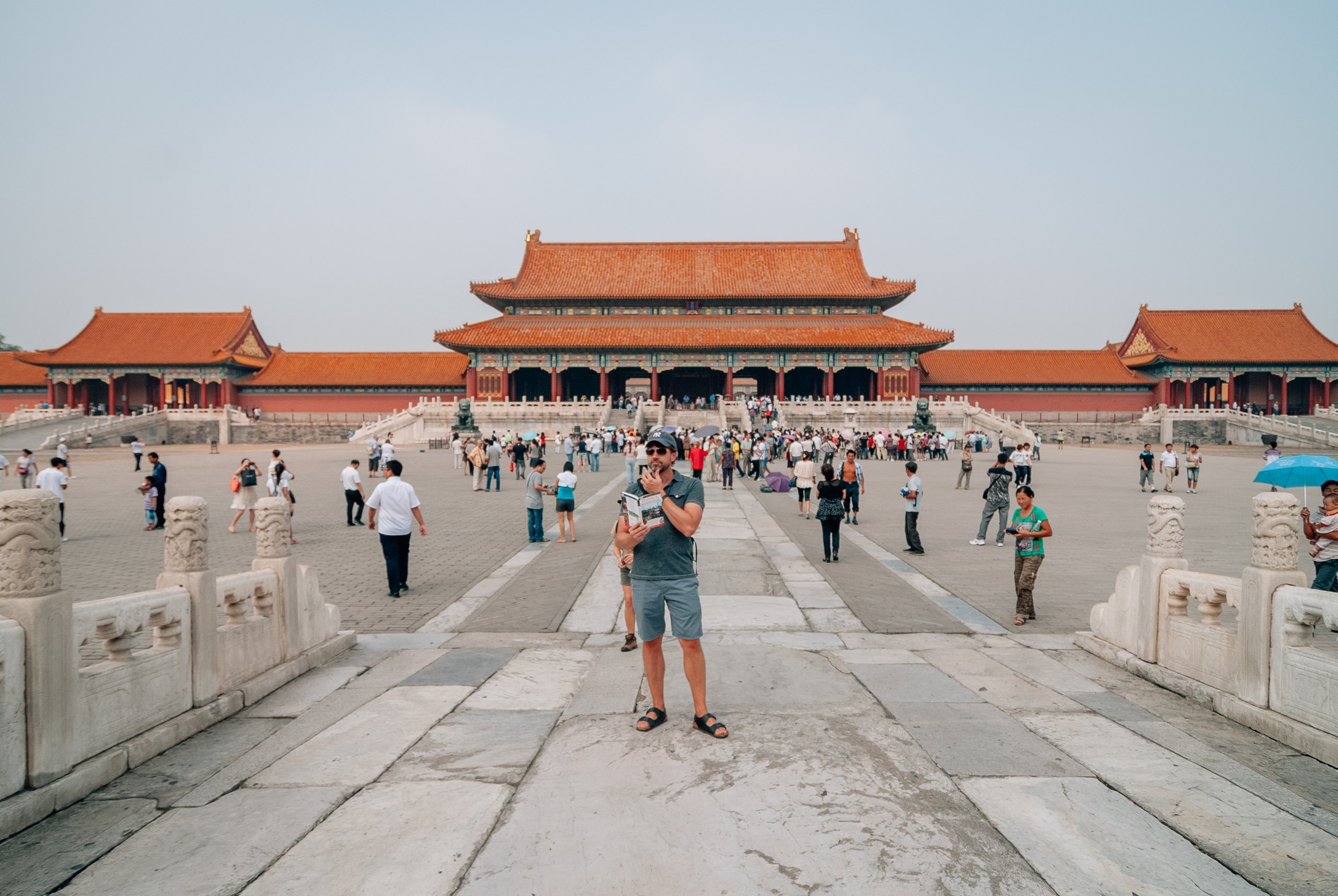
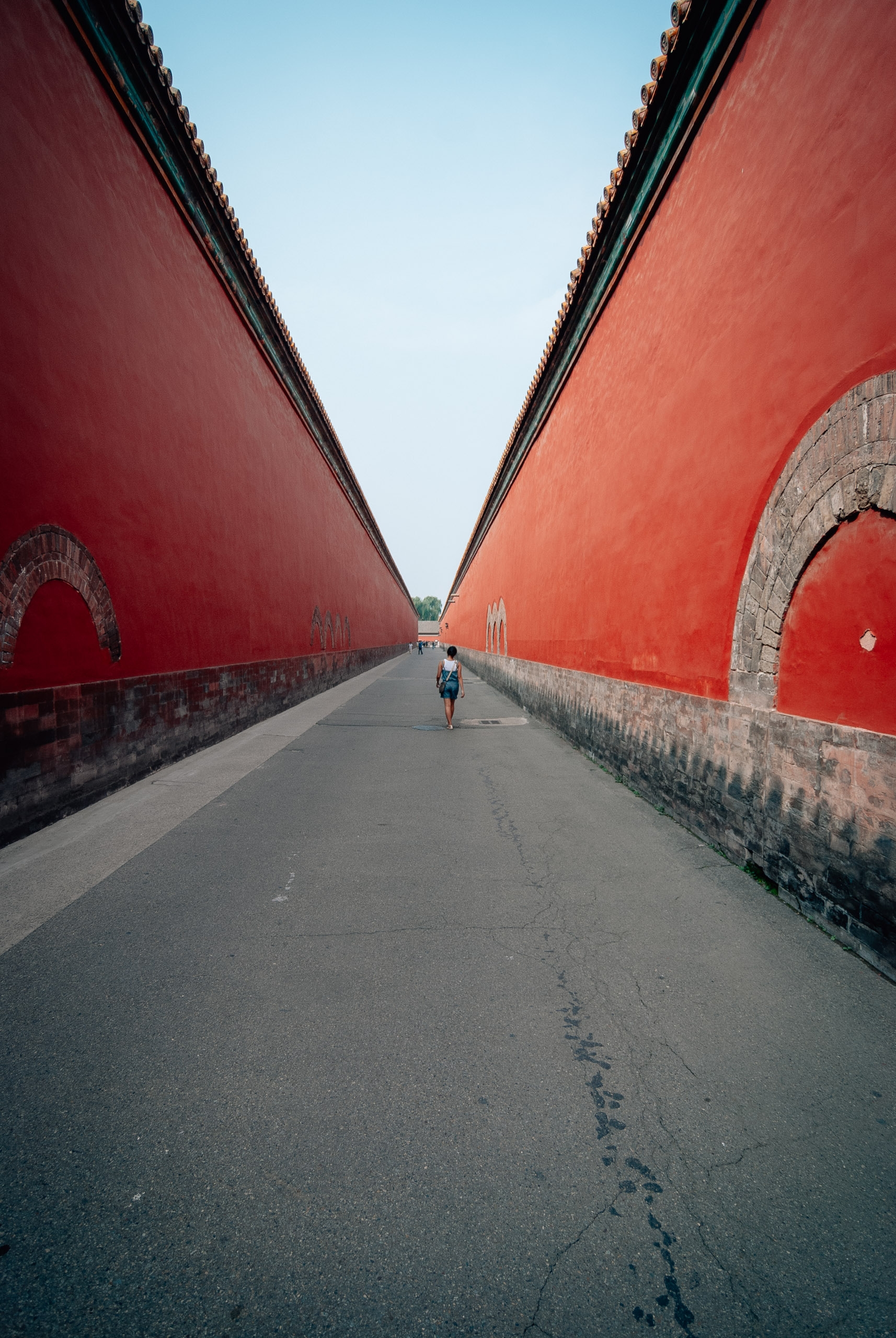
Back to the Forbidden City, you can get an audio tour to help understand what you're seeing, and I recommend you do that. You can also arrange to hire a tour guide through your hotel, but you should avoid hiring one on-site, and you will get hounded a lot.
We stopped by KFC to try the spicy chicken wings, then headed back to the hotel to sit around the pool for a few hours. After walking around for hours and miles in the hazy Beijing heat and humidity, the pool was a God-send.
That night we went to another popular hot pot restaurant call Hai Di Lao, a cavernous, rowdy 24 hour chain of sichuan hot pot joints. The food here was amazing, but incredibly spicy. The heat subsides as the numbing spices kick in, but all that chili oil and spicy food can lead to Hot Pot Revenge. That was not the case.
Monday morning we left Beijing for Shanghai. We'll be here another week before heading to Hong Kong and Japan. So far we're having a great time. The food has been great, the weather is hot but doable and the people have been about as friendly as expected. Define that for yourself.