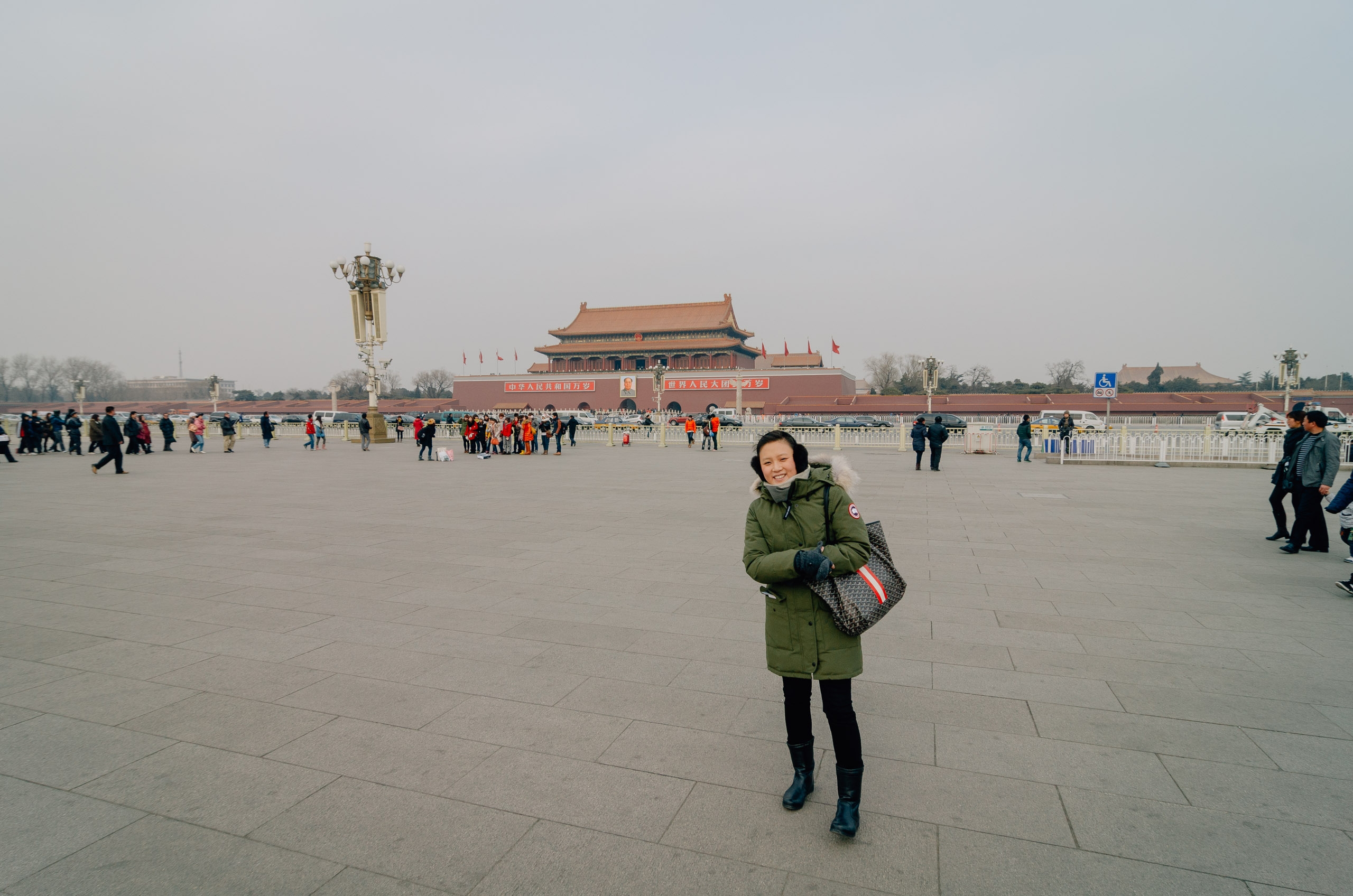
Aside from the wedding in Beijing, the highlight of our trip to China was a brief overnight visit to the city of Harbin in northeast China. Harbin is home to the Harbin International Snow & Ice Festival, the largest winter carnival in the world. The 2012 Festival started on January 5, so we traveled 2 hours north of Beijing to see the enormous snow and ice sculptures that are the hallmark of the event.
We left Beijing the morning after the wedding for an easy 2-hour flight on luxurious Air China (Note the sarcasm. How this airline is a member of the Star Alliance is beyond me). We planned on seeing the Ice Festival, the Snow Festival and the downtown Ice Sculpture contest in about a day and a half, so we didn't need to stay long. It's rare that the two of us travel with more than two suitcases, but on this trip there was a third full of winter gear.
Before planning this trip, I had never heard of Harbin, but it's the tenth most populous city in China with nearly 11 million residents. For most of its history, Harbin was part of Russia, and after World War 2 and the Japanese occupation, it was home to the largest Russian population outside of the Soviet Union. After the Soviet army liberated the city, it was turned over to the Chinese and the Russian population was either repatriated back to the USSR (not a joyous event, by the way, as many had fled the communists), or migrated on to Shanghai and other parts south. Today the Russian influence can very much be seen in the local architecture, cuisine and the arts.
Harbin sits adjacent to the Russian border along Siberia, and fittingly the winters are long and brutally cold. The temperatures drop below freezing in October, and seldom rise above freezing until well into March and even April. The average temperature for January is 24 degrees below zero. I suppose city leaders looked at ways to draw tourists and decided to capitalize on the one thing the city has going for it: extreme cold. They city began hosting ice-carving contests in the 1960s, and added other winter activities over time. Other than a few years during the Cultural Revolution, when the country was too busy purging and persecuting, the festival has been held every year since 1985 and has grown in scale and attendance each year.
The original ice-carving contests were held in the city's Zhaolin Park. Sculptures were surpassed by giant ice structures as the main attraction, and eventually the festival moved to the city's outskirts where it could freely grow in size.
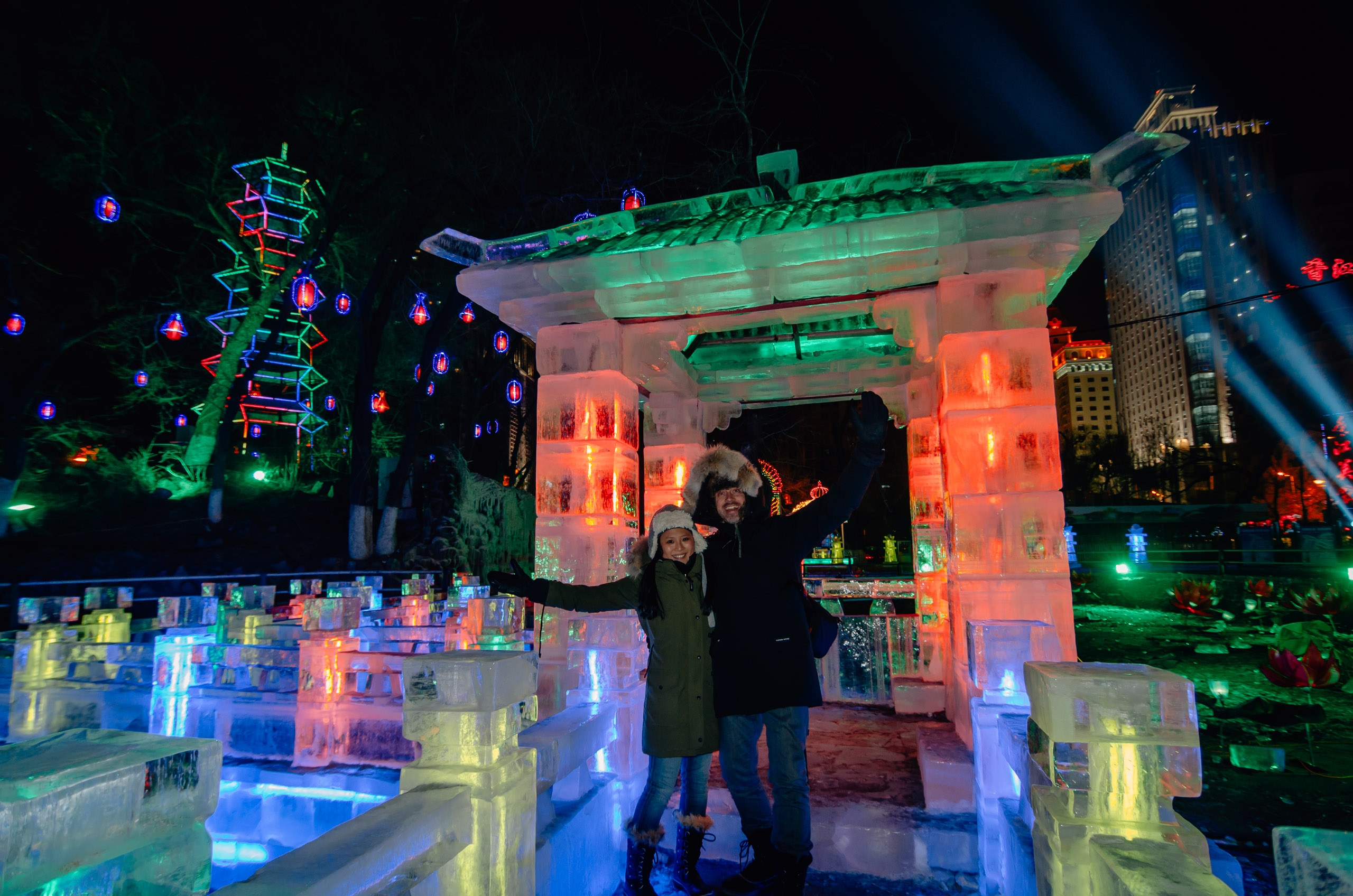
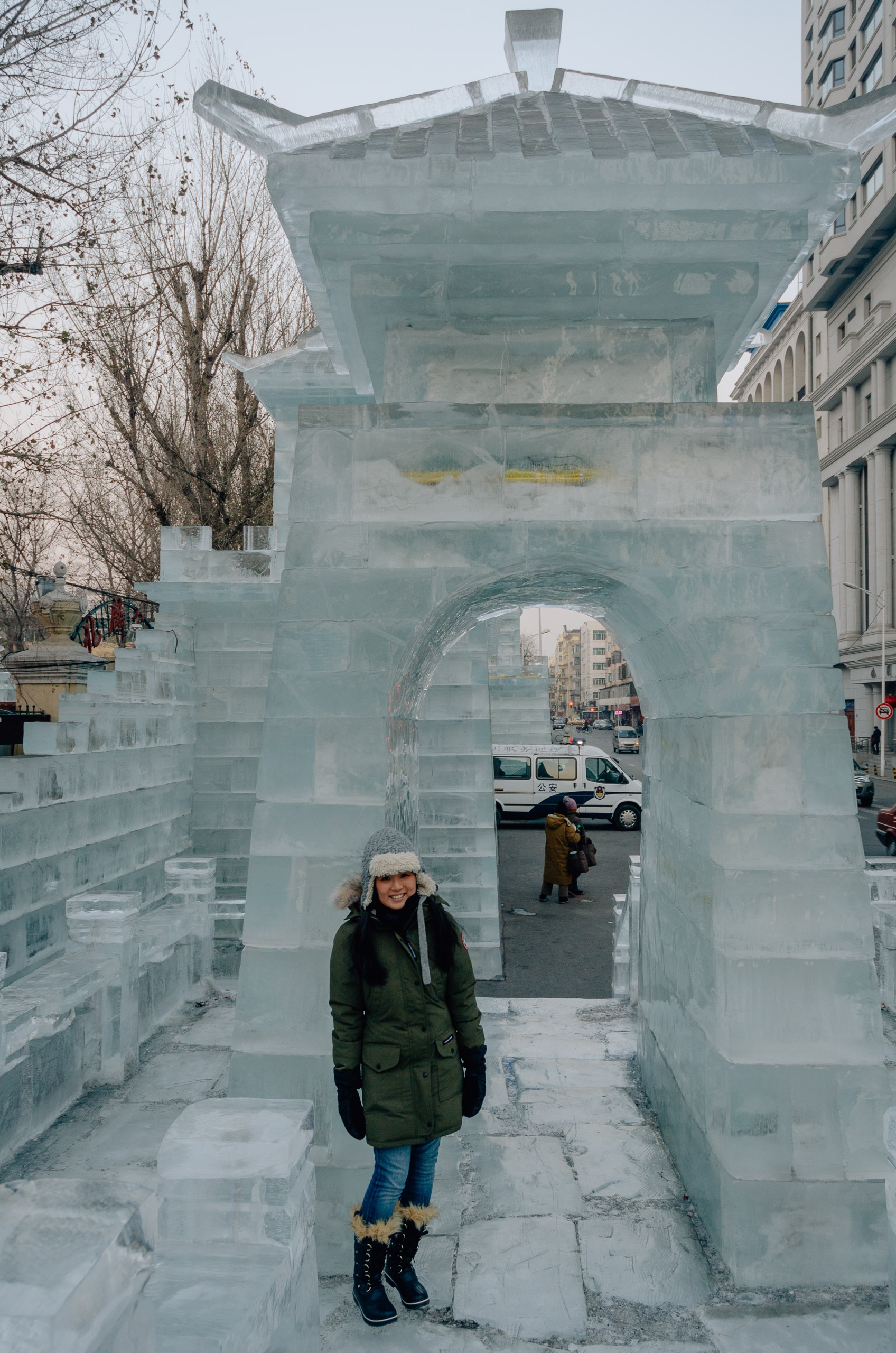
The sun sets around 3:15 in January, so it was already quickly getting dark and the temperature was hovering just around zero. Once inside the park, I started to get a few slight pangs of regret. There was lots of ice and lights, but none of it terribly impressive. It looked like a sad, run down carnival that had lived far past its prime.
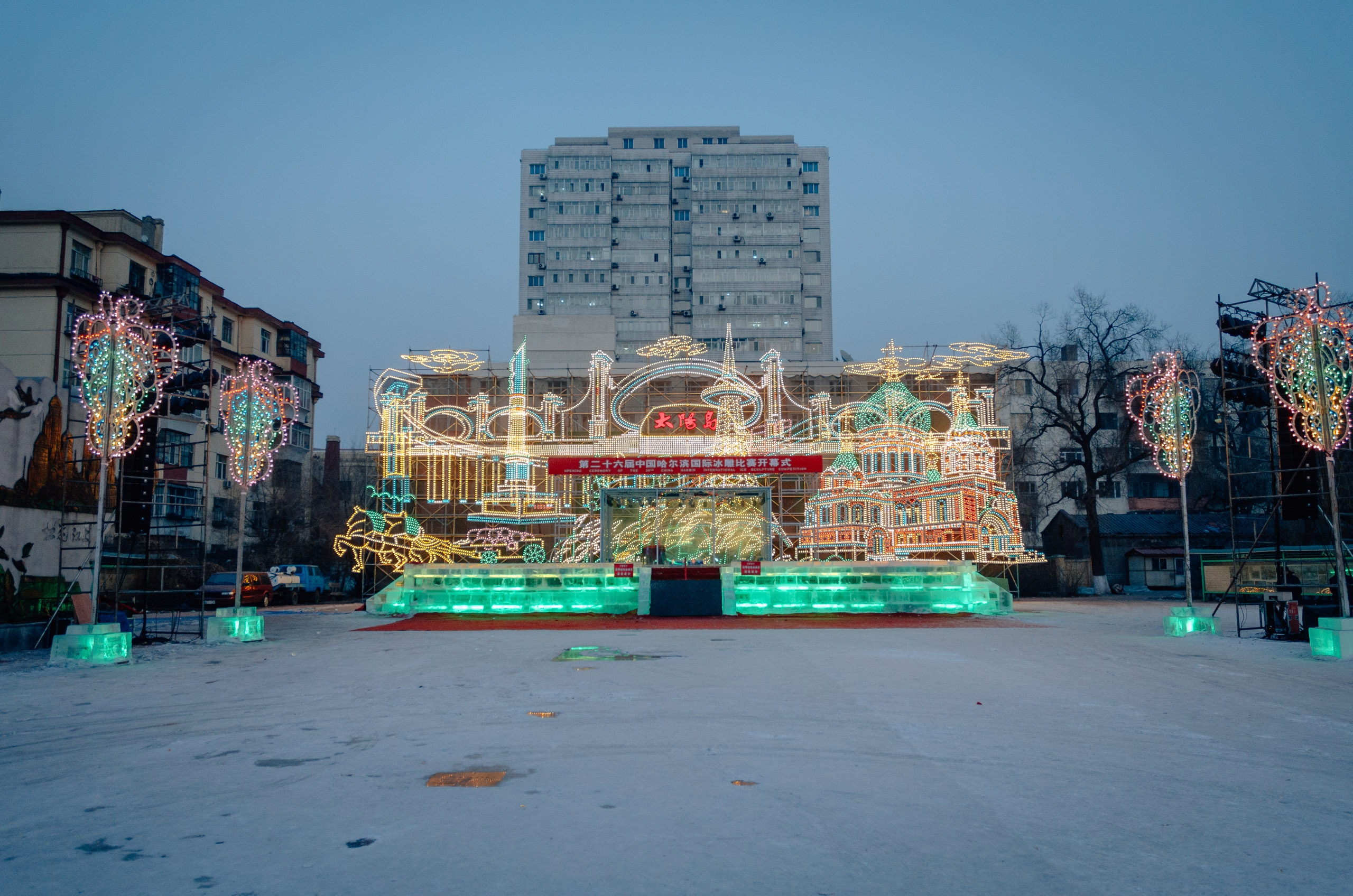
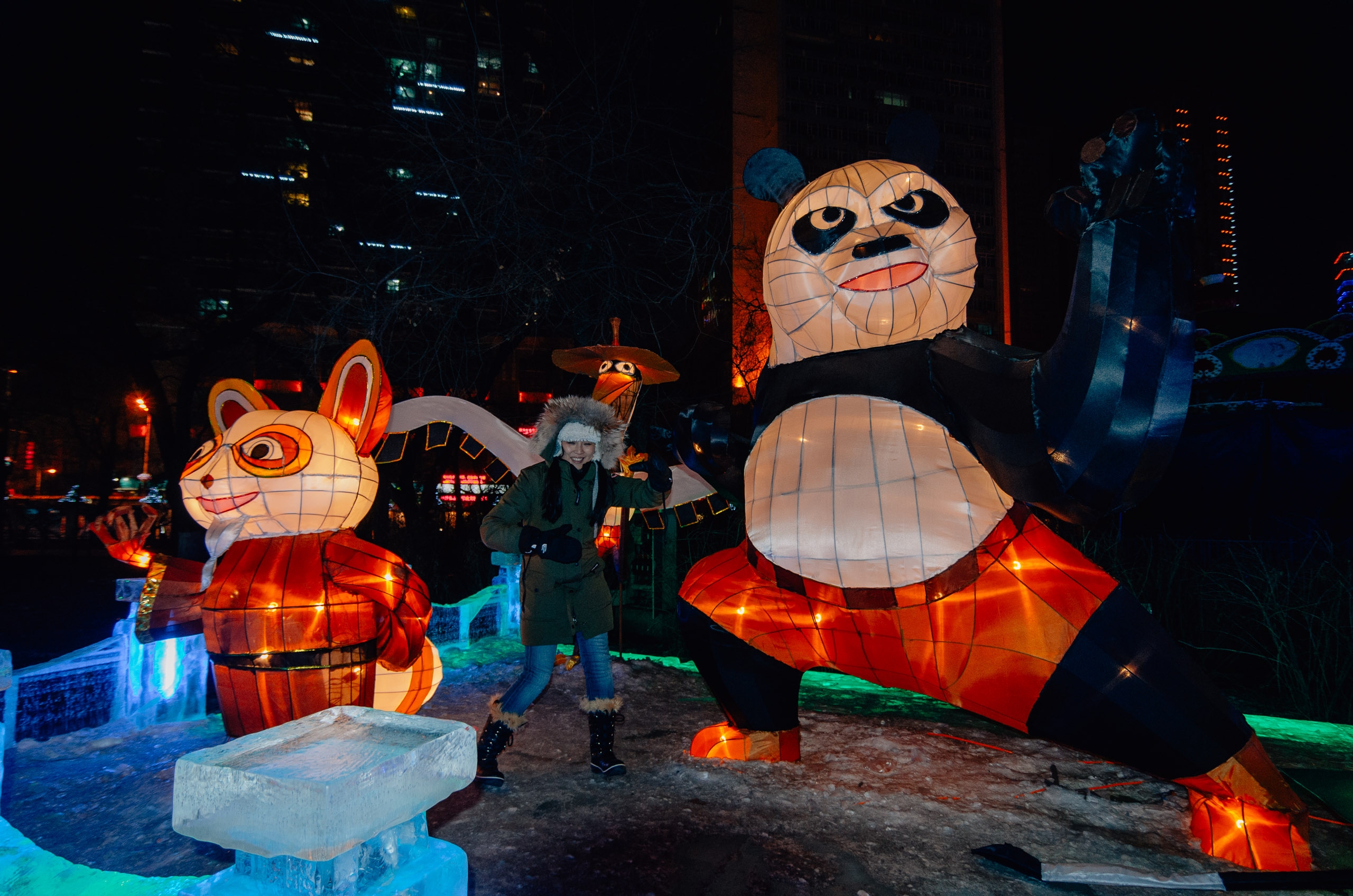
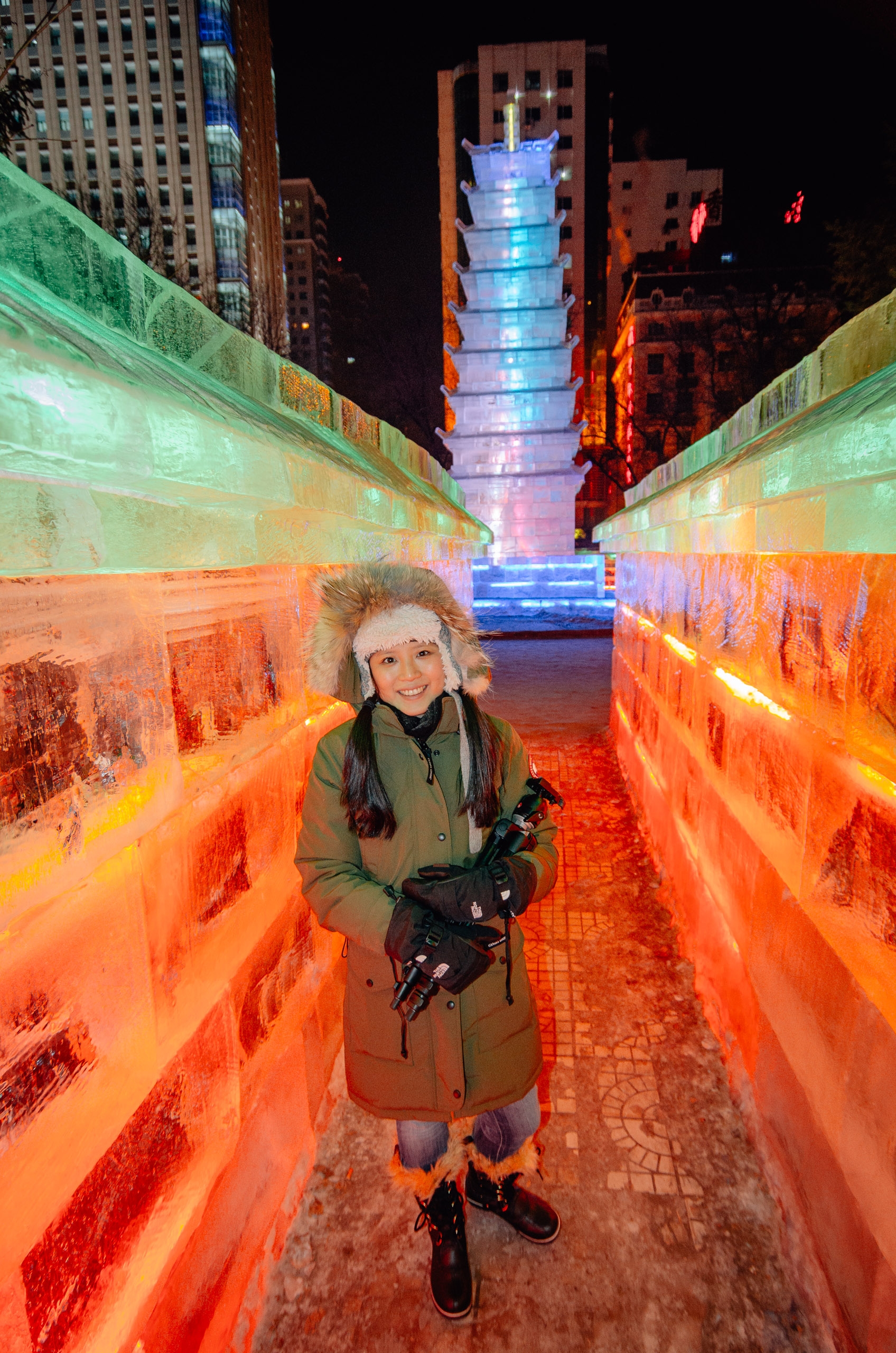
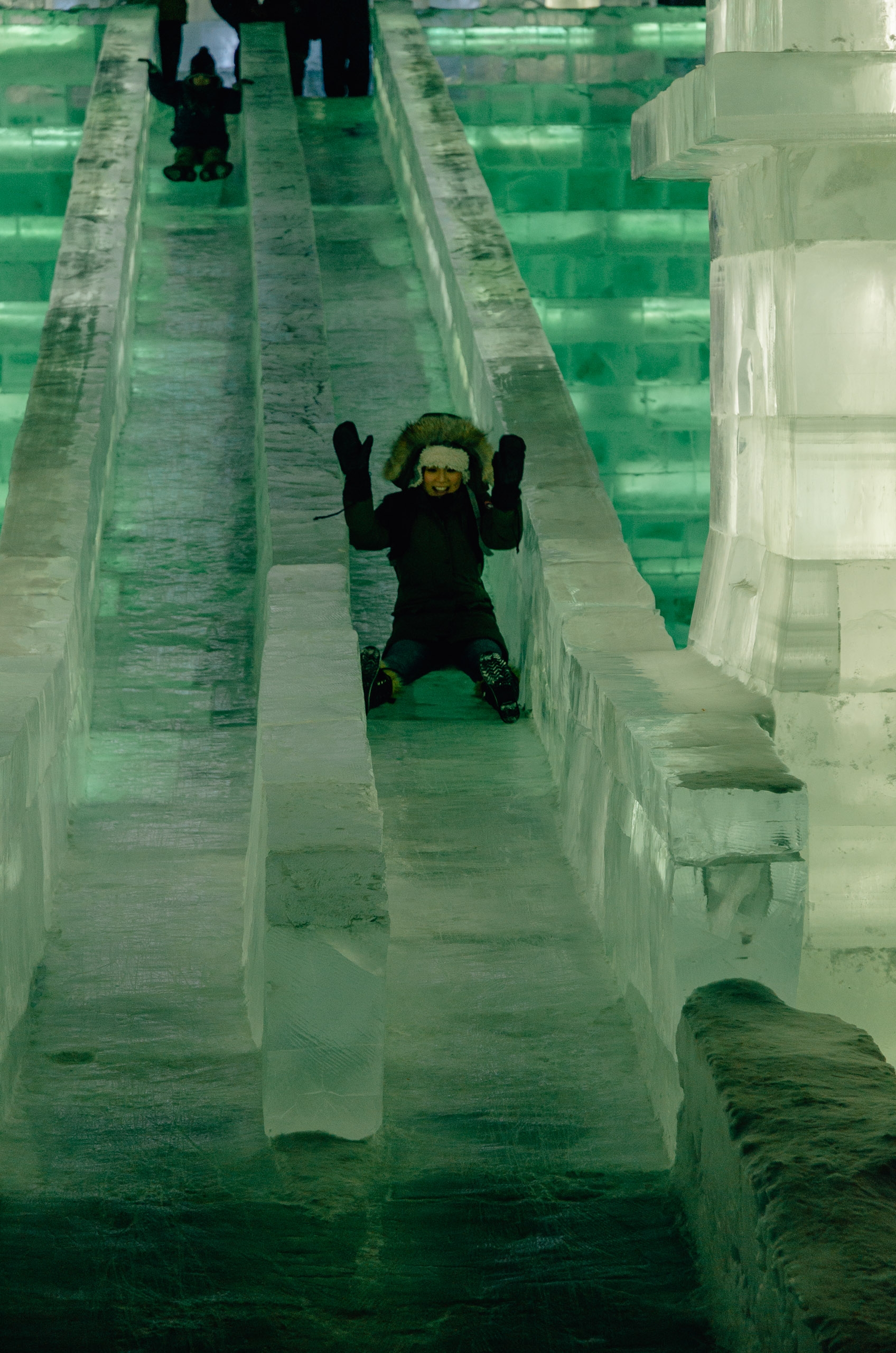
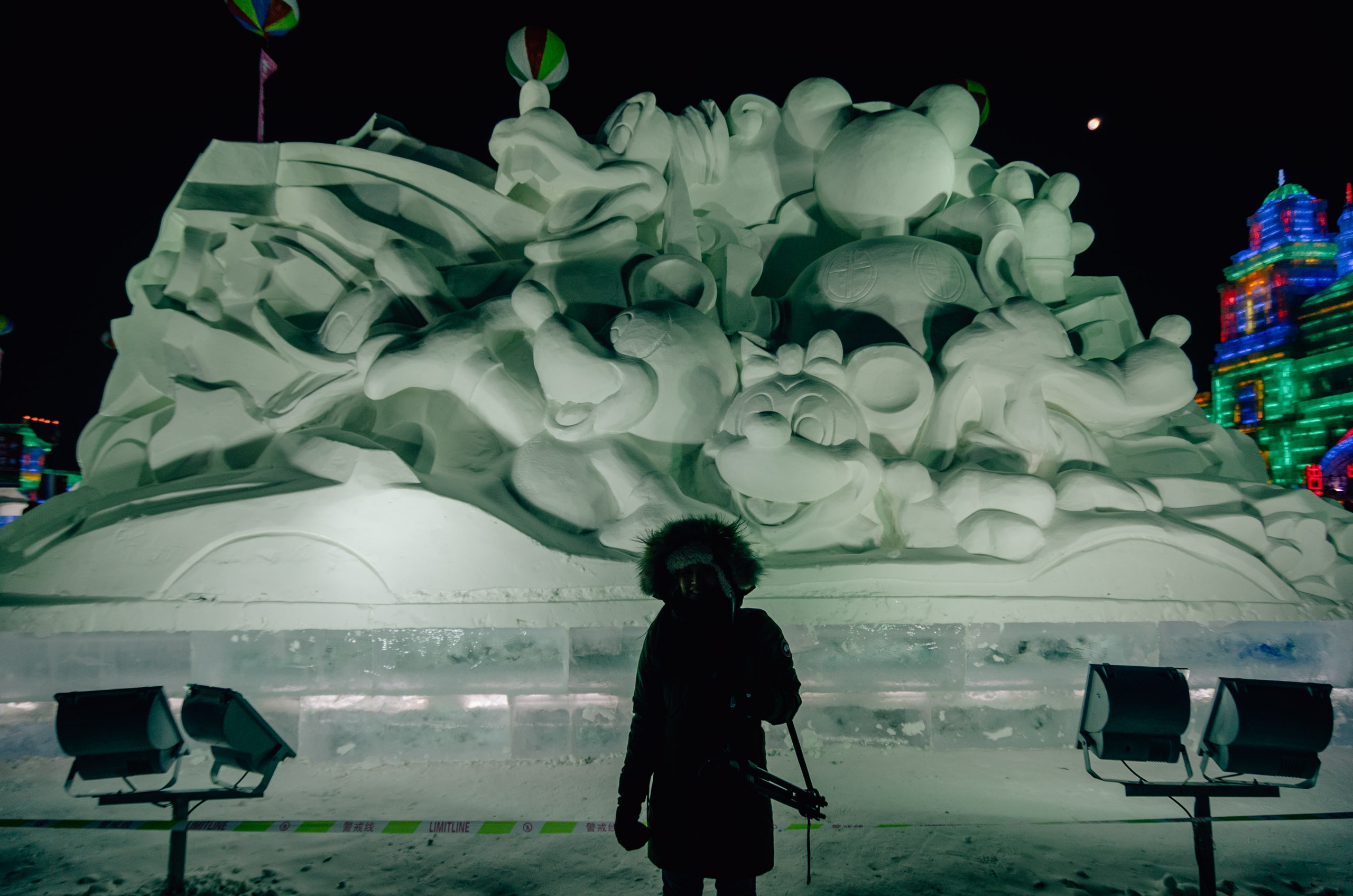
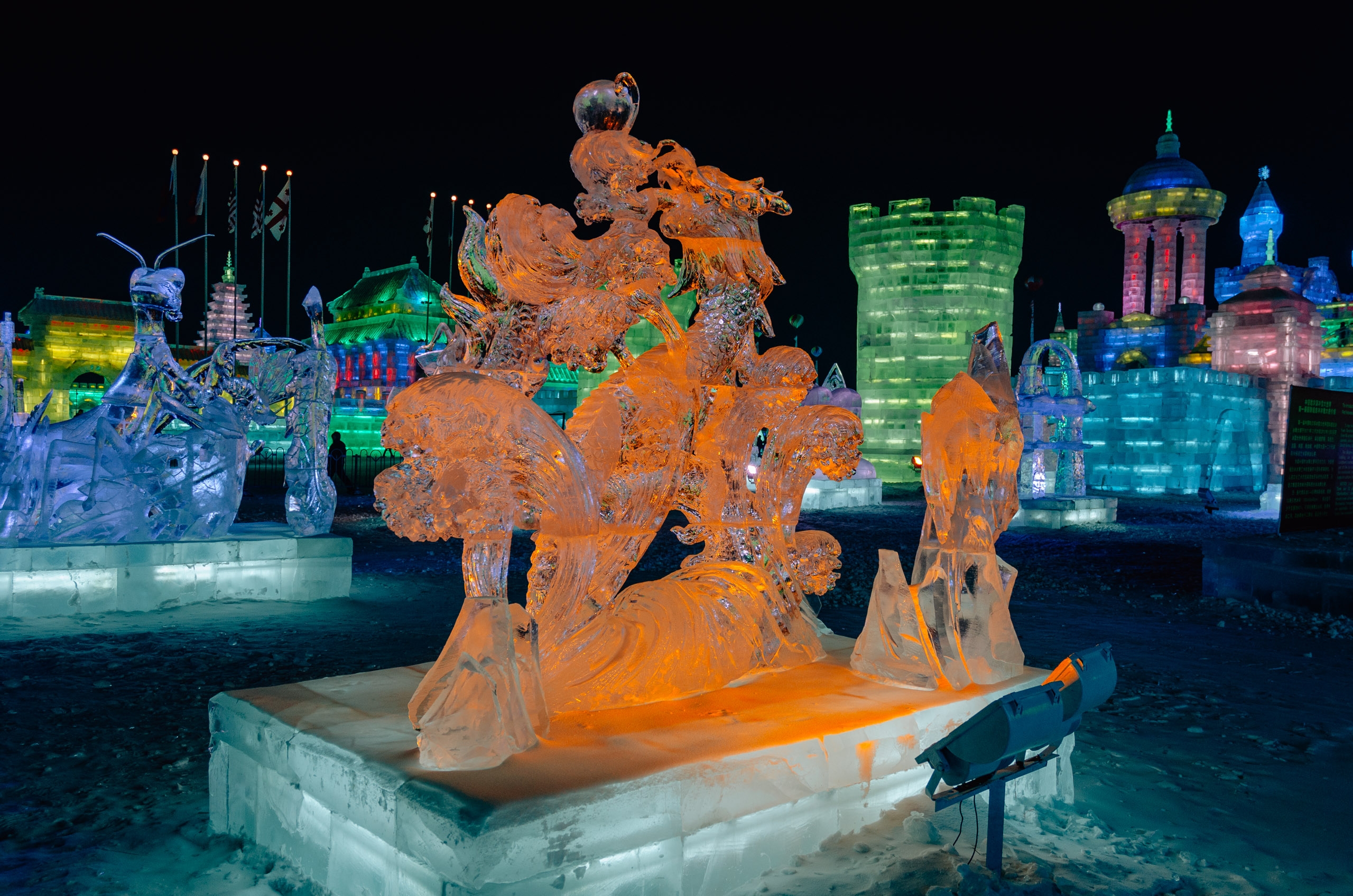
We arrived at the Ice Festival a little before 6:00PM. By then it had been dark for hours, and being outside the city, the temperatures were around -15 degrees. Tickets were 400RMB apiece (about $60USD), wildly expensive by local standards. Once inside the fair grounds, you're immediately struck by the scale and enormity of the structures built entirely from ice.
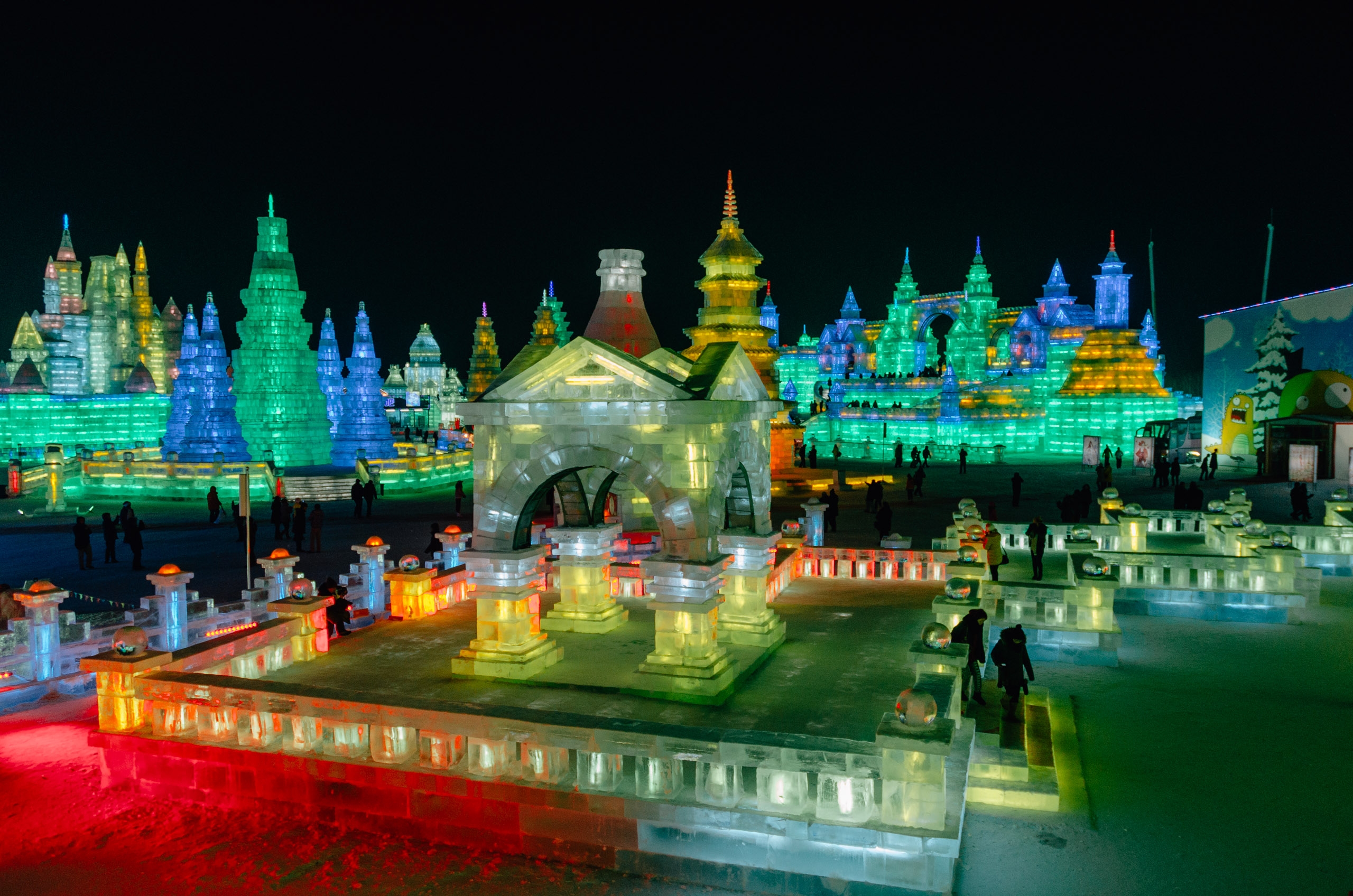
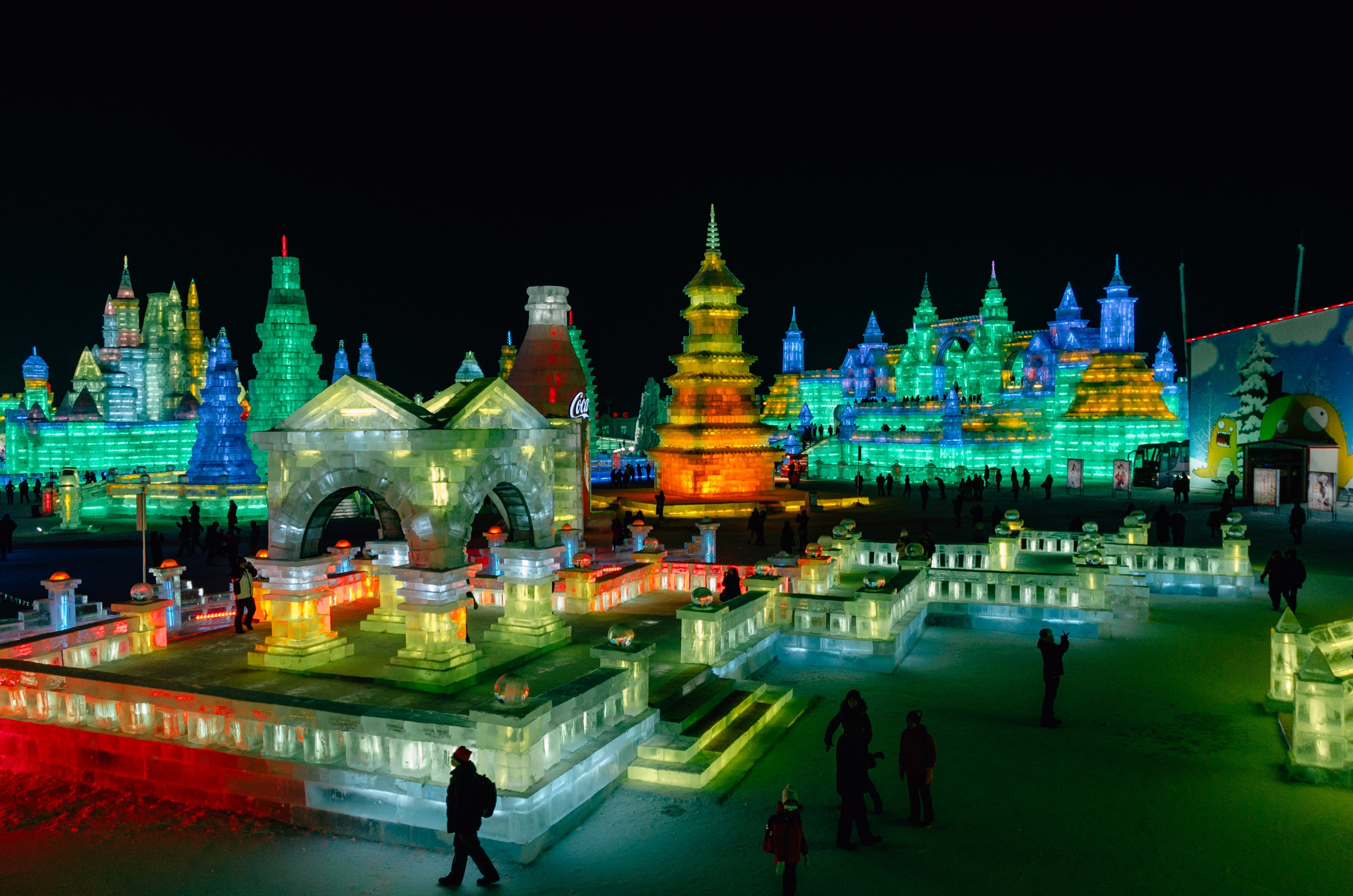
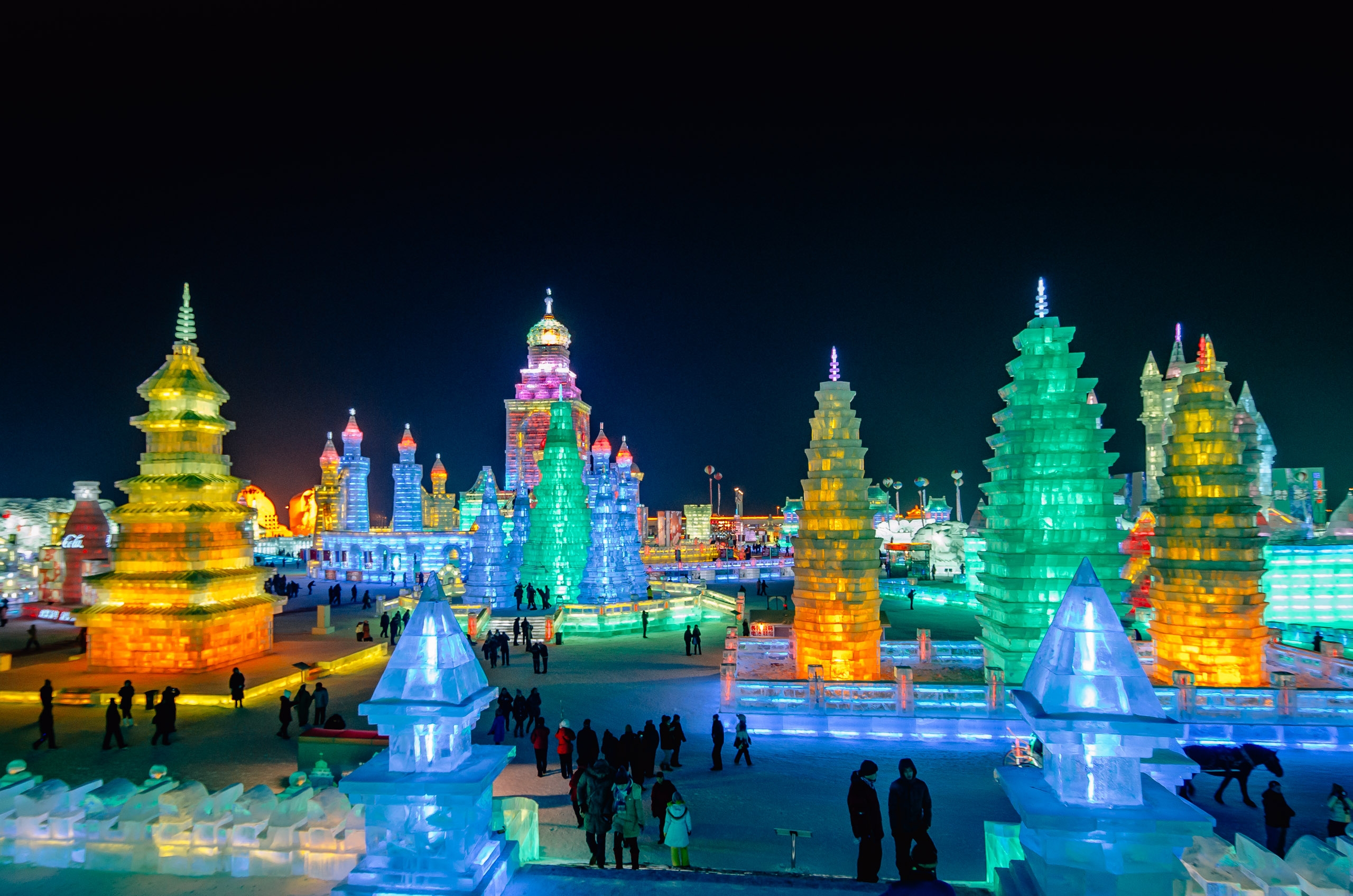

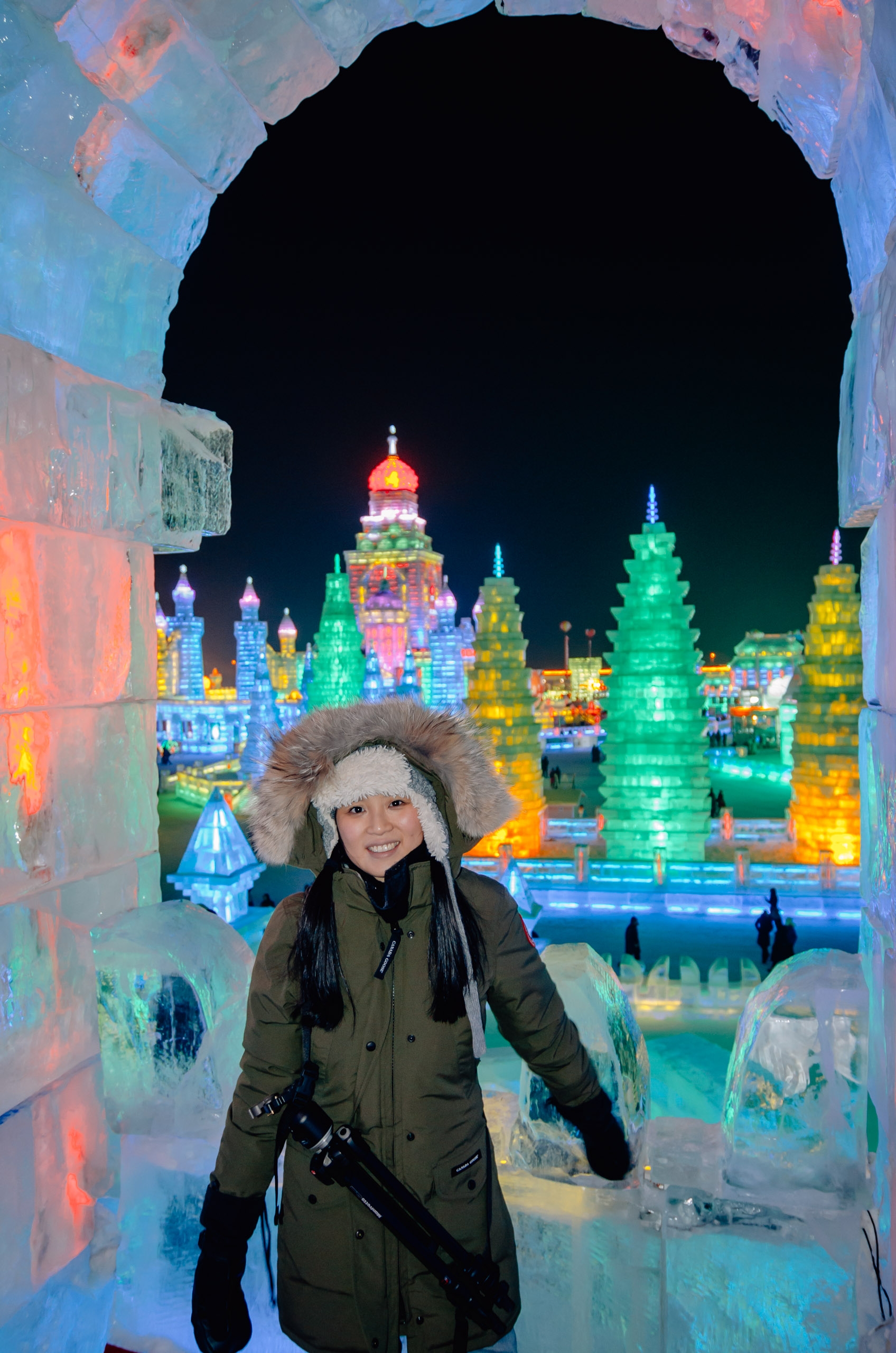
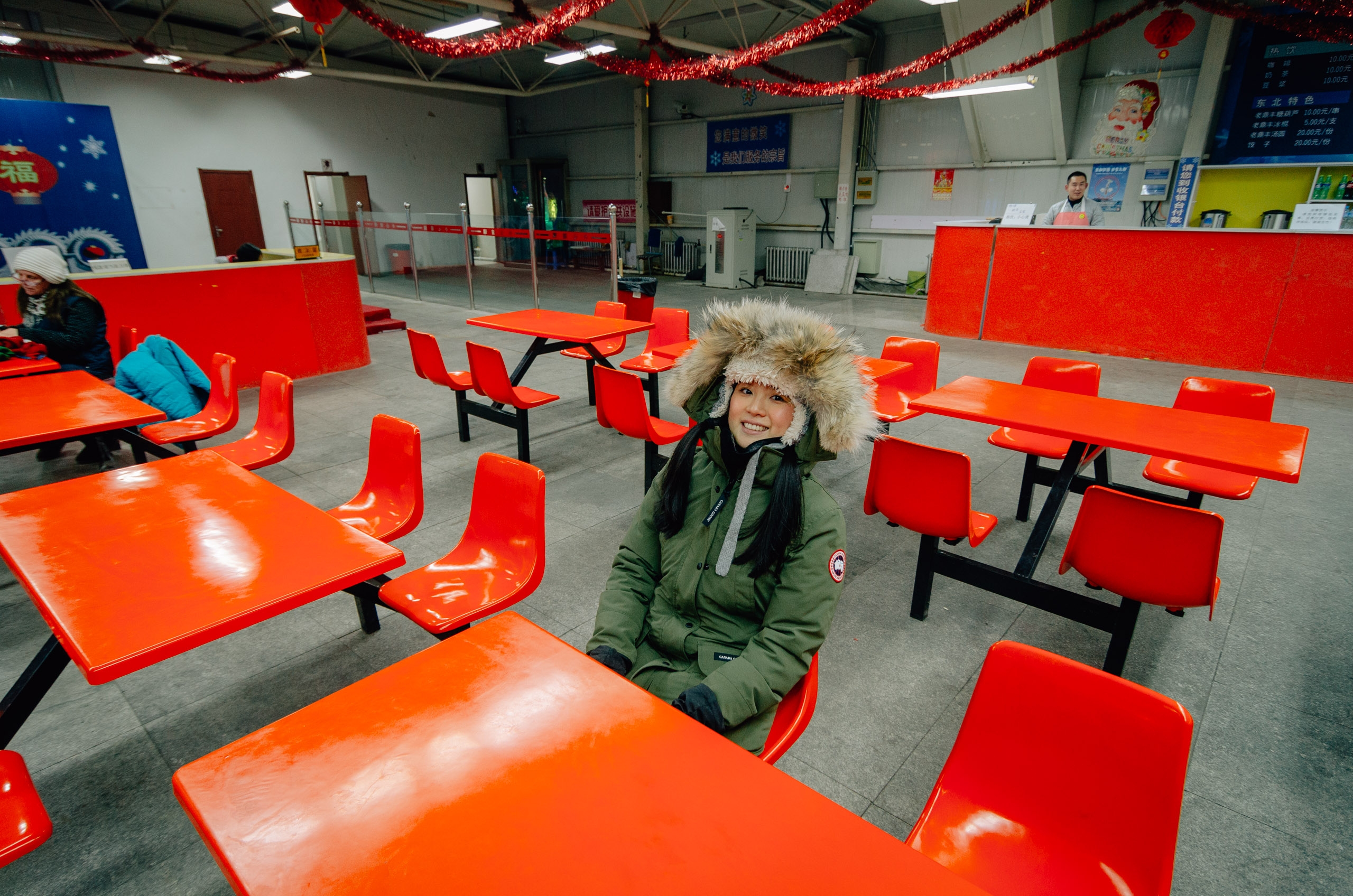
I took my camera out to warm it up, but that was a mistake as the humidity of the warming hut immediately froze into ice on the surface of us, our clothing and the camera. Nikon only rates their equipment to zero degrees, though I read online about people using them down to around -50. I kept my camera in a camera bag with a couple of handwarmers, and kept the batteries in my inside pocket close to my body. This seemed to help, but I could tell that as the evening went on, the focus of the photos got softer and softer. A DSLR is still a mostly mechanical piece of equipment, and electric motors, gears, lubricants and batteries simply can't perform well in those conditions. My iPhone, which I kept in my pocket, seemed to do fine, as did our all-digital point-and-shoot. I took the photo below while waiting for the lens to slowly defog.

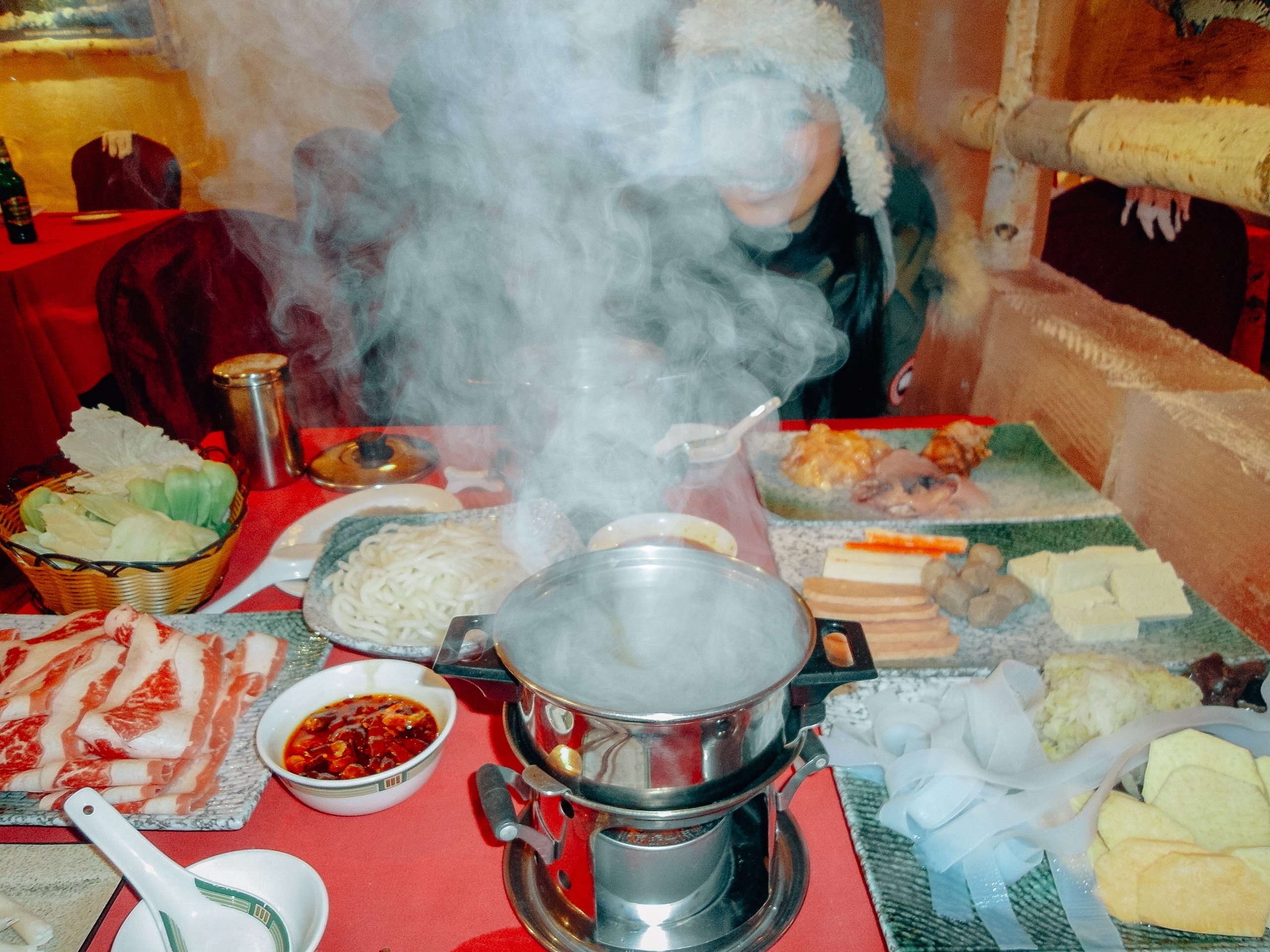
The restaurant sits behind the hotel and is entirely made from blocks of ice. Obviously, the restaurant is not heated, and when we sat down for dinner it was approaching 20 below zero. Each of us had our own hot pot, and the uncooked food was brought to our table where it promptly froze. The steam from our hot pots would rise into the air, freeze and fall back on the table as snow. I couldn't drink my beer fast enough as it was freezing to the inside my glass. This experience may sound miserable, and while it wasn't exactly comfortable, the food was terrific and I'm glad we made the effort. We left dinner a bit sooner than we might otherwise, but by then it was time to get inside and stay inside.
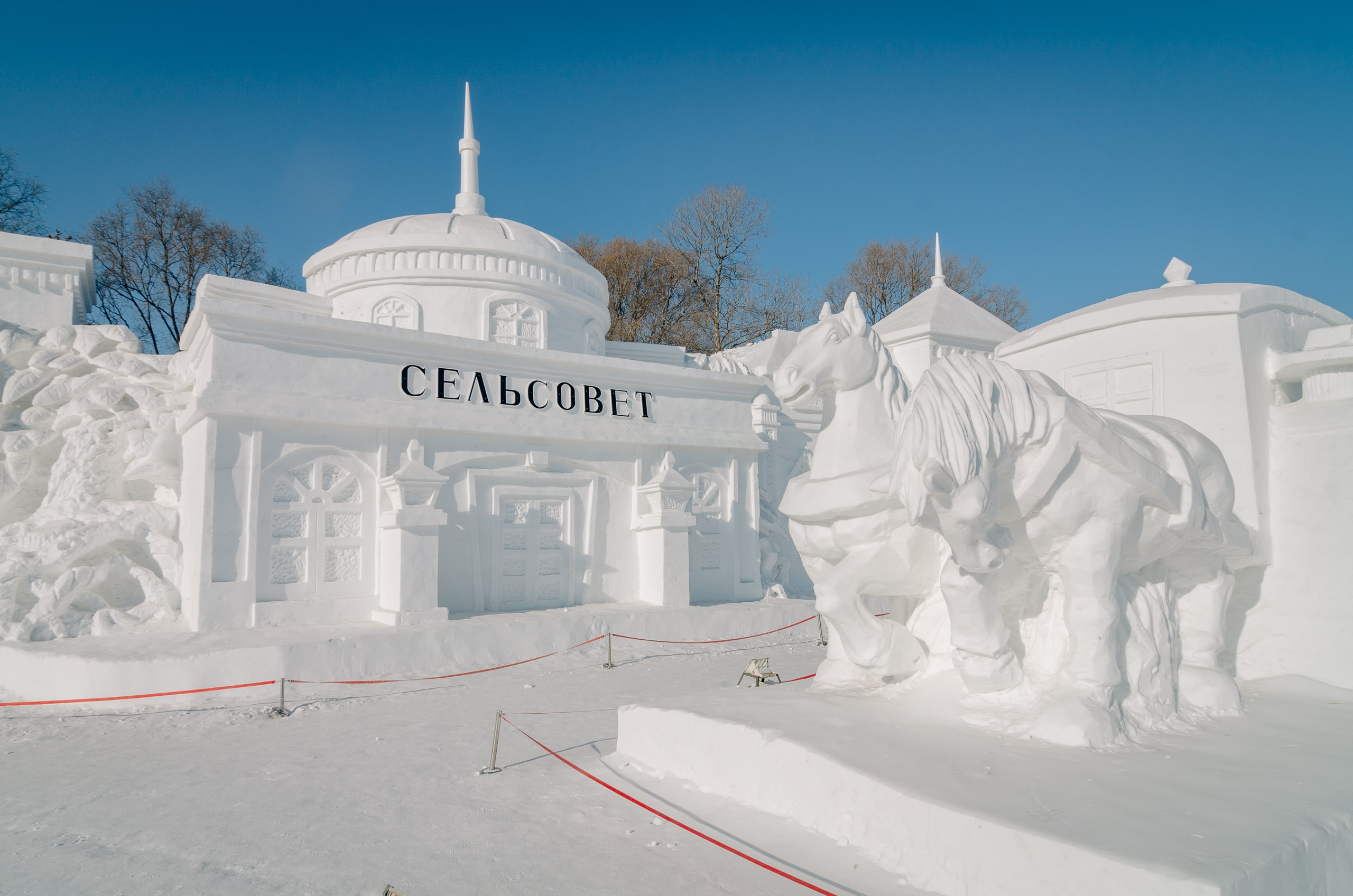
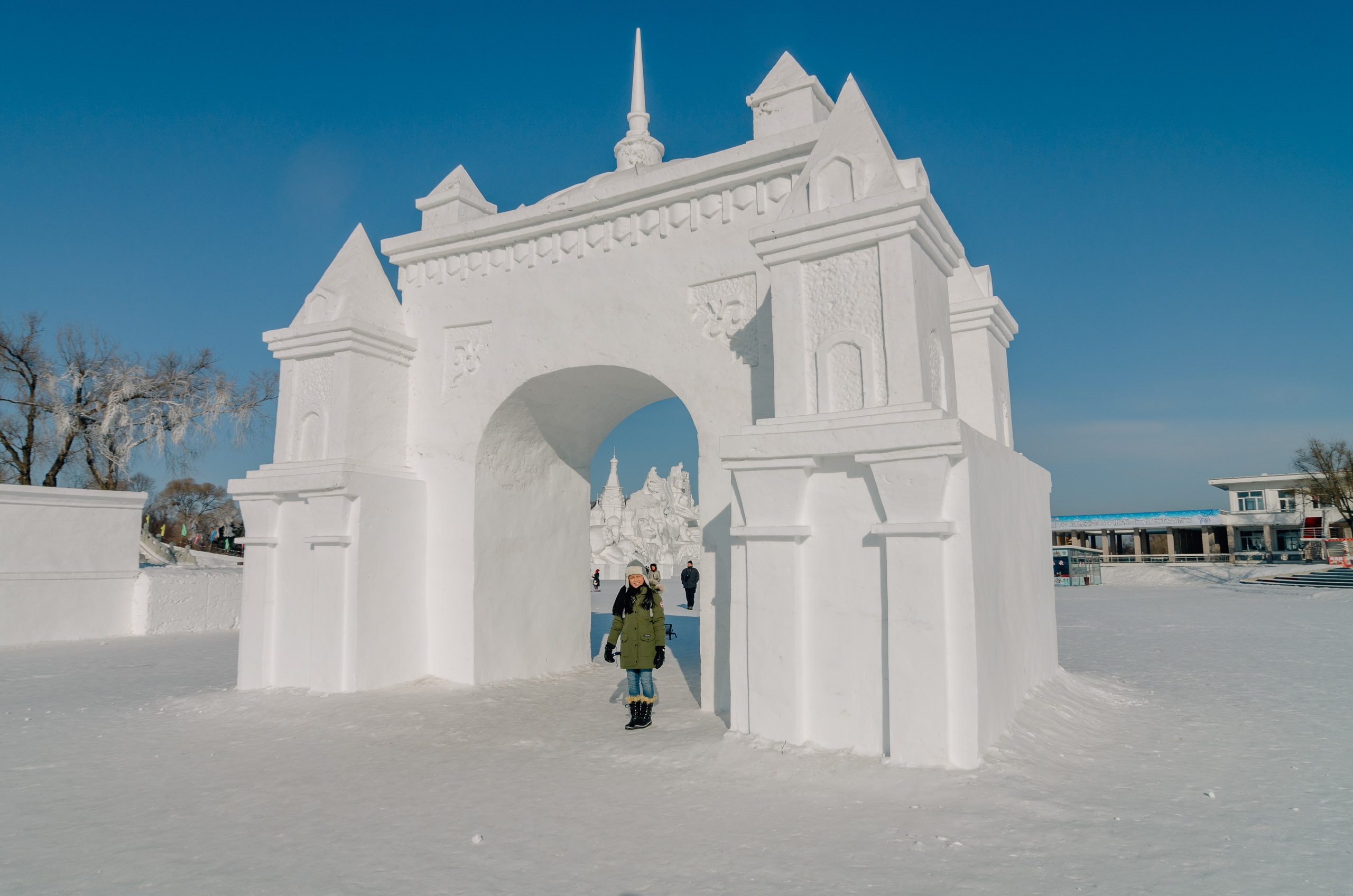
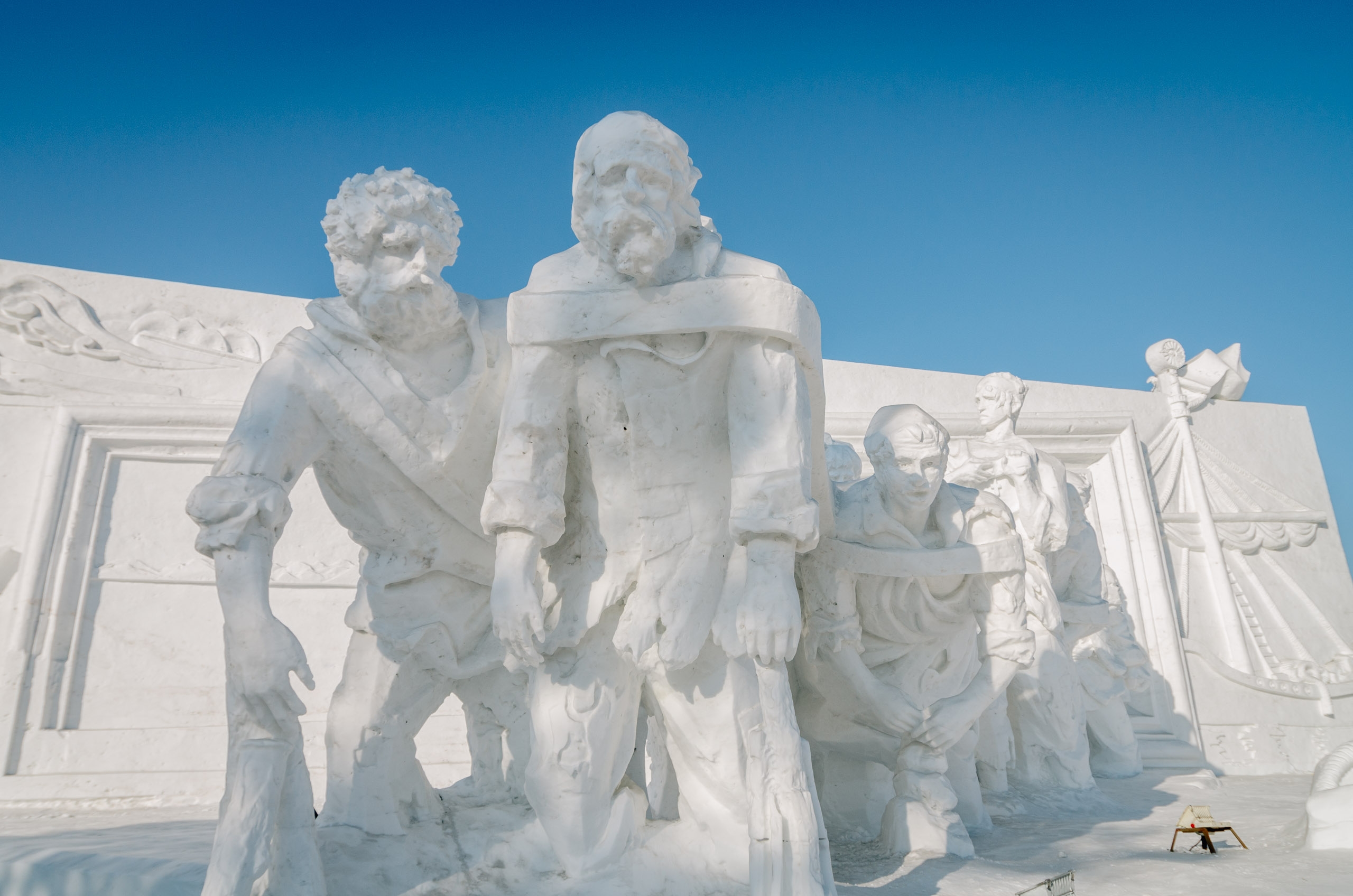
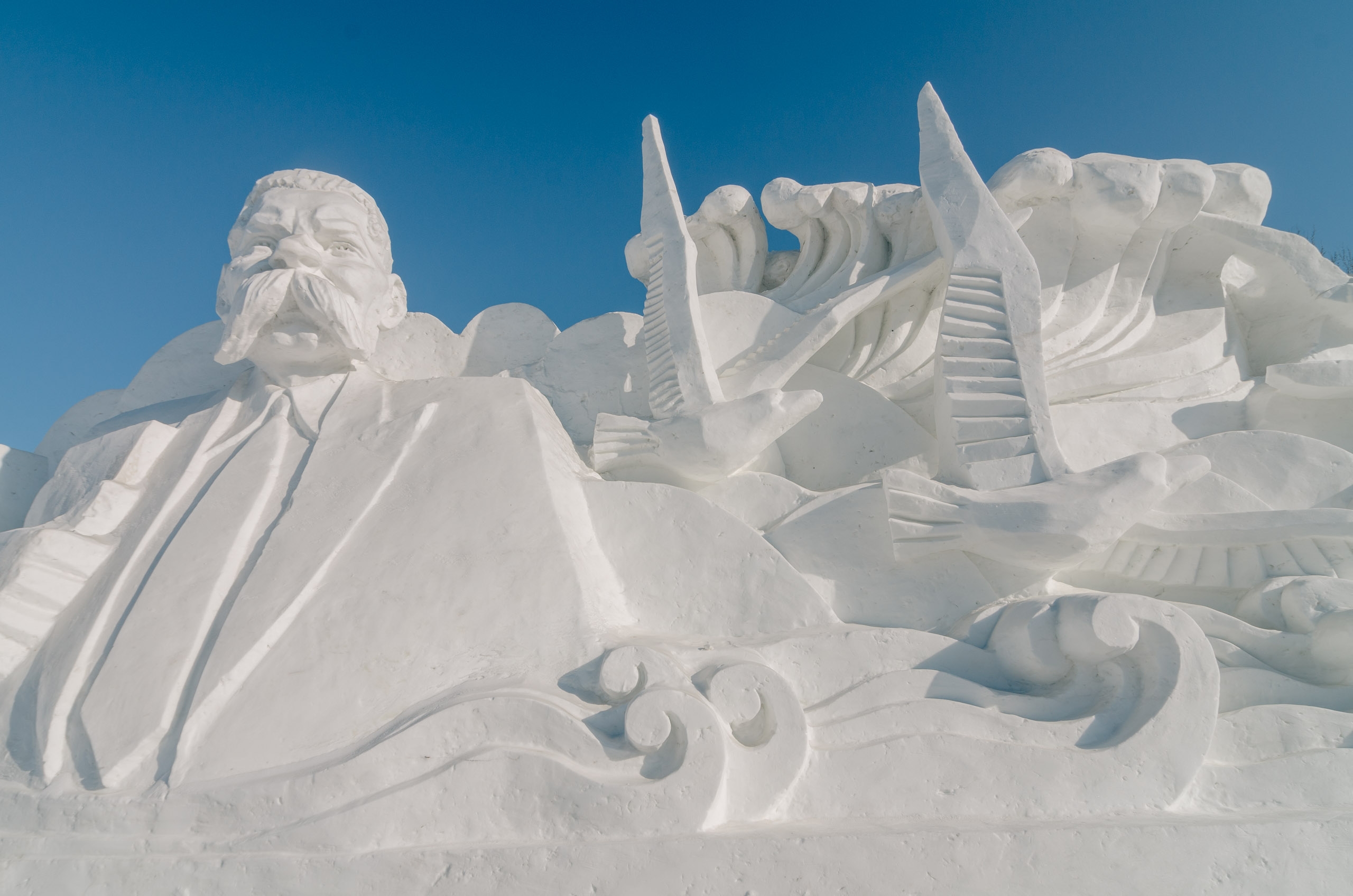
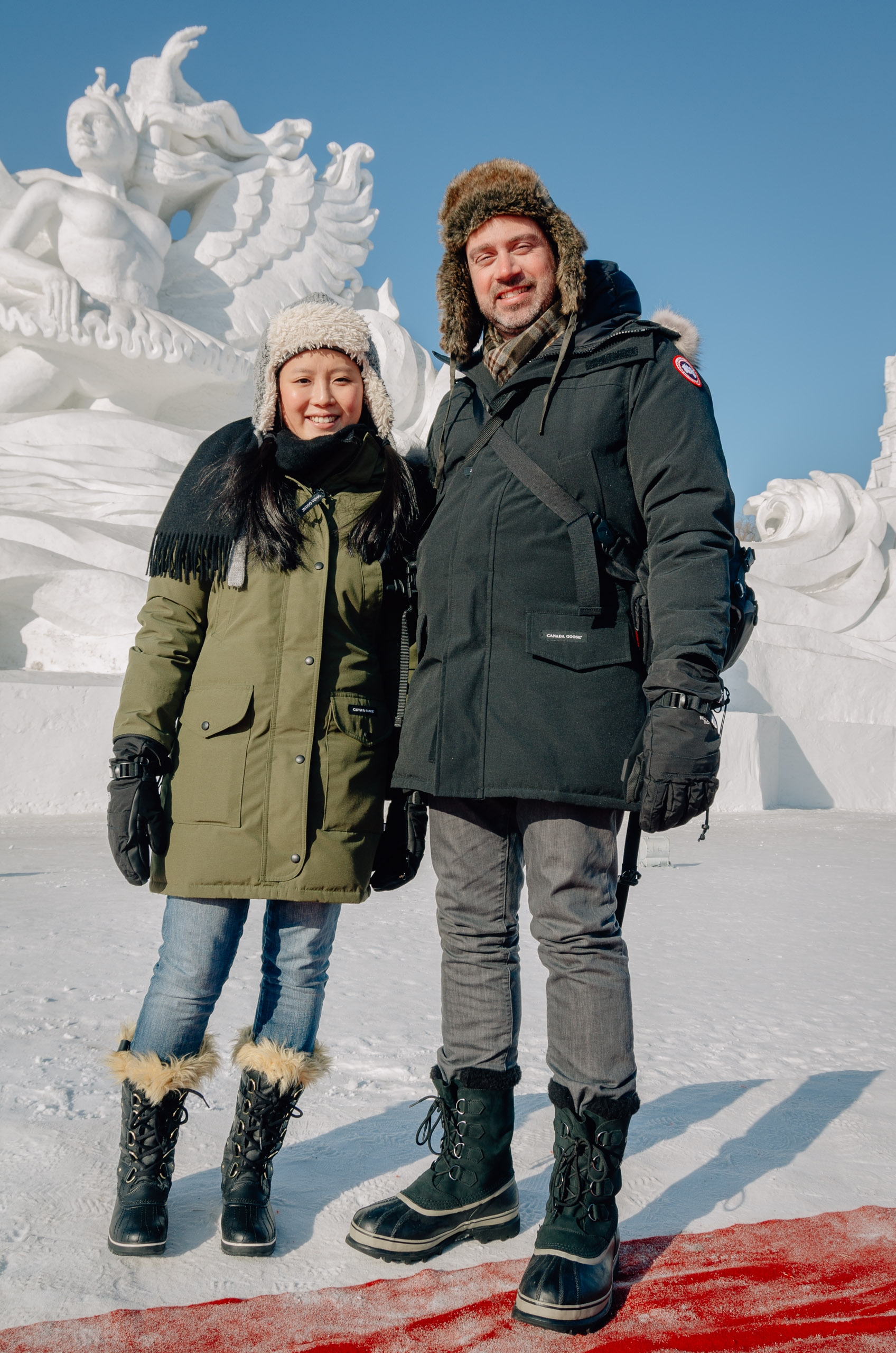
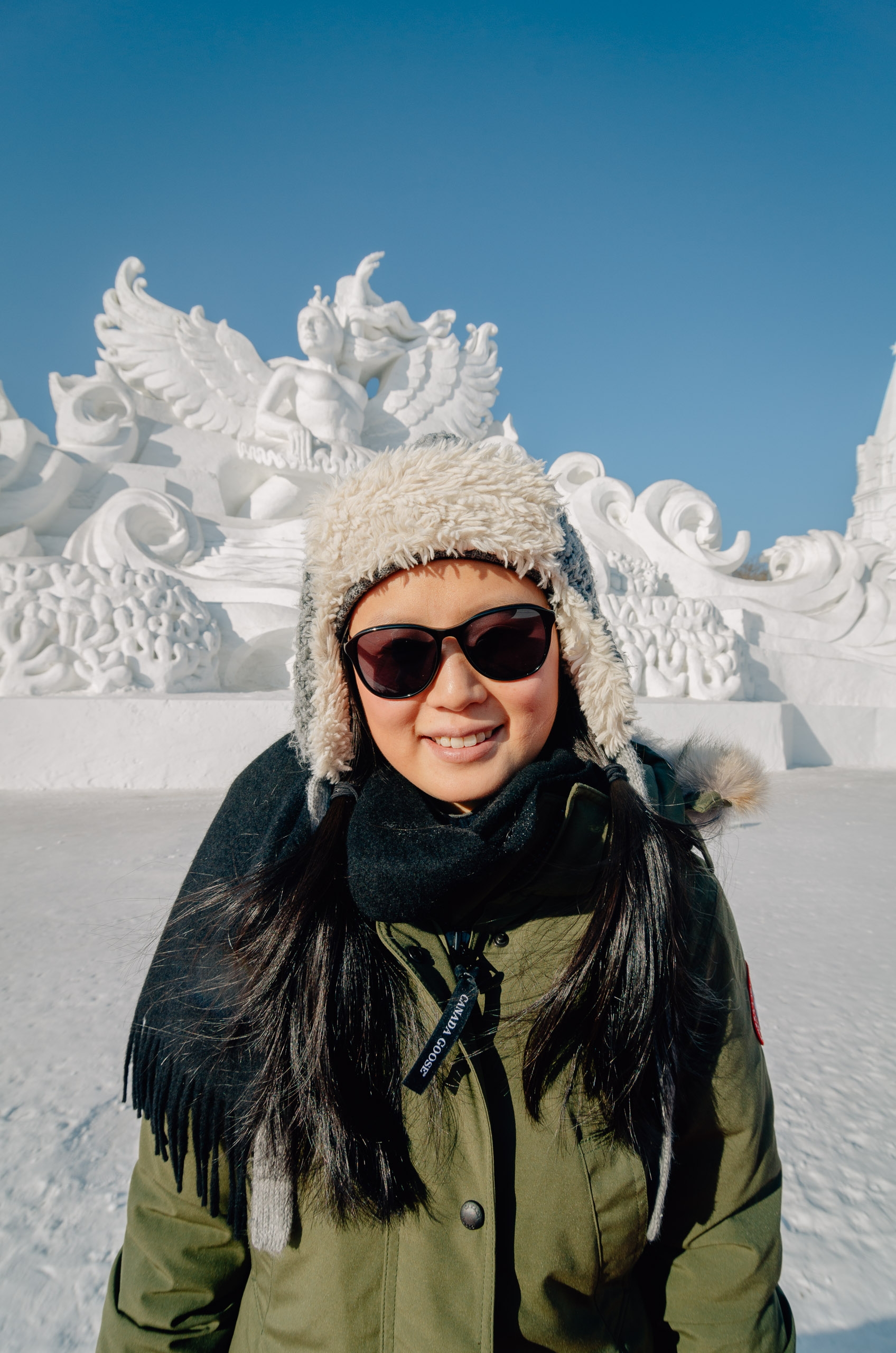
The Harbin experience was certainly unique, and enlightening. Most visitors to China see Beijing, the center of Government, or cosmopolitan Shanghai, but rarely see what China is like most everywhere else. Fresh off the Olympics in 2008 and the World Expo in 2010, Beijing and Shanghai definitely put China's best foot forward. Harbin by contrast, while not a dumpy backwater, was definitely rough around the edges. The town seems unaccustomed to the crowds the Festival is bringing each year, and its tourist facilities have a long way to go.
Driving into Harbin, you see the China that has economists worried. The centerpiece of China's economic growth lately has been construction; mostly infrastructure projects paid for by the Central Bank's enormous annual trade surplus, and massive investments in speculative real estate driven by inexpensive loans and land development policies. The roads into Harbin were immaculate and huge, with 6 lanes of traffic in either direction and not a car in sight. Bridges, overpasses, intersections, decorative fountains and parks looked brand new and unused. Just outside of town we drove by literally hundreds of high-rise apartment buildings that were all built in the last three years, and with just as many under construction nearby. For miles in any direction you could see row after row of 50 and 60 story buildings, each containing hundreds if not thousands of apartments, and every building was completely dark against the night sky, entirely unoccupied. It was the most surreal, post-apocalyptic thing I've ever seen.
An apartment in one of these buildings goes for about 10,00RMB, or $1,500USD. That's about 5 years' salary for an average middle class Chinese worker. It's inconceivable that any of this is financially solvent, but as long as the Central Bank keeps pumping billions in inexpensive loans for construction, such projects will likely continue. It's rare to actually see a real estate bubble, but I really don't know how else to describe it.
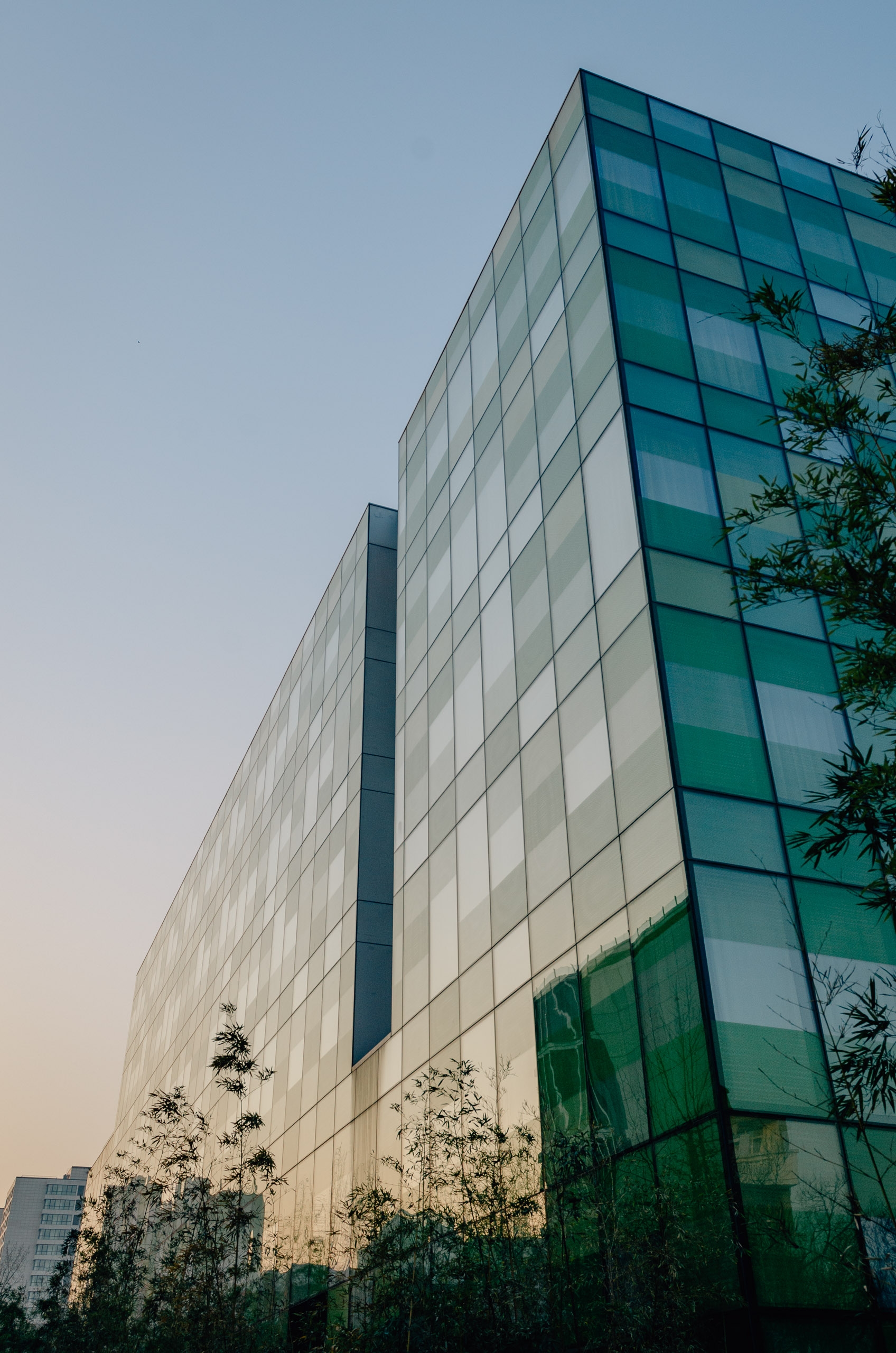
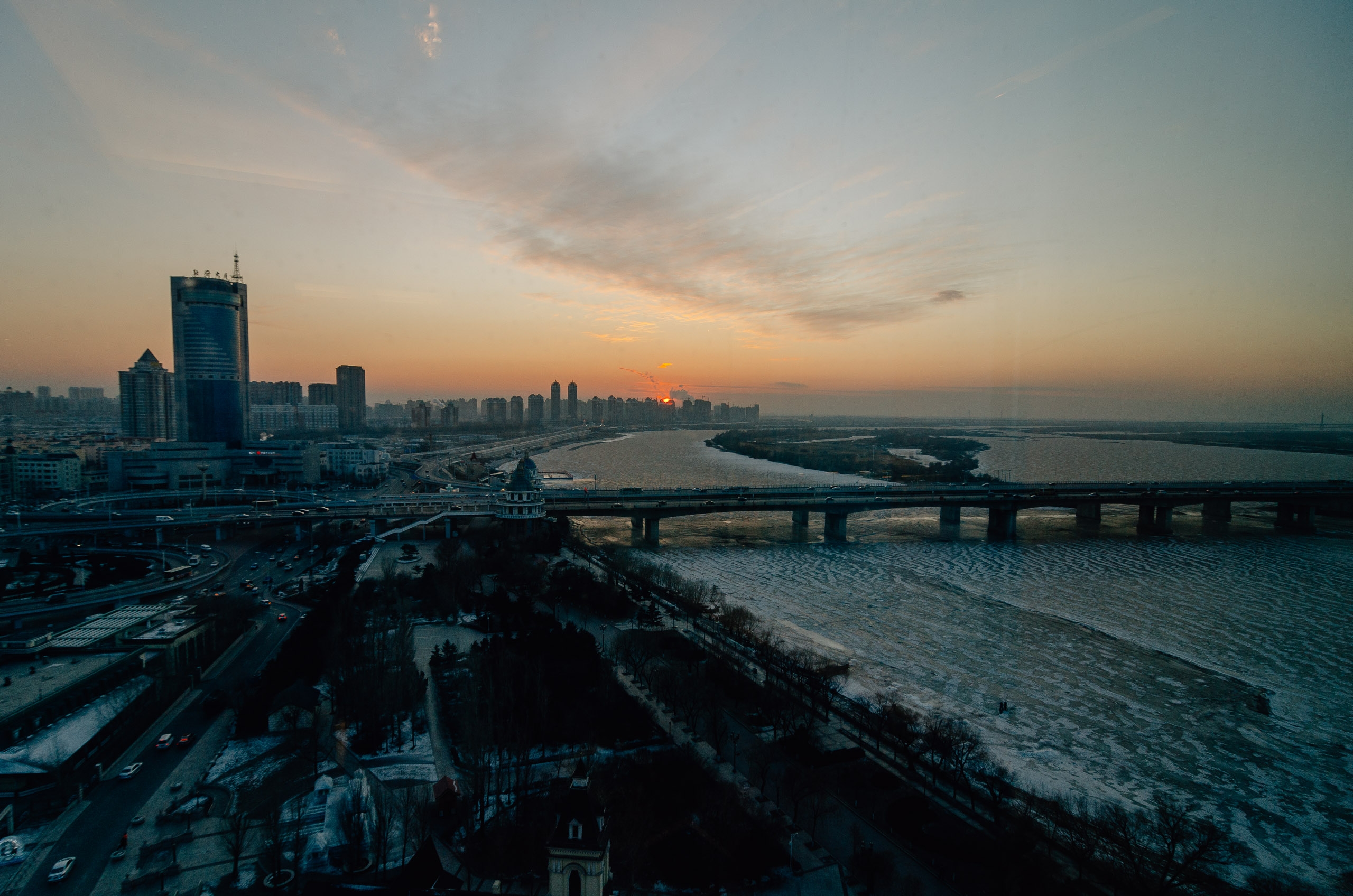
Before we left for the airport, I took this HDR photo of the Harbin sunset out the dirty window of our hotel. If you open the enlarged photo and look at the horizon, you can see a lot of empty buildings, and I would think a lot of looming trouble.
WHERE WE STAYED
Shangri-La Harbin: The club level is sorta worth it. Good location for attending the event: The Shangri-La Harbin
WHERE WE DINED
Shang Place: Traditional Chinese cuisine in the hotel: The Shang Palace Ice Palace Restaurant & Bar: Seasonal hot pot restaurant and bar made entirely of ice (at the hotel). Coffee Garden: Western-style coffeeshop in the hotel: The Coffee Garden